



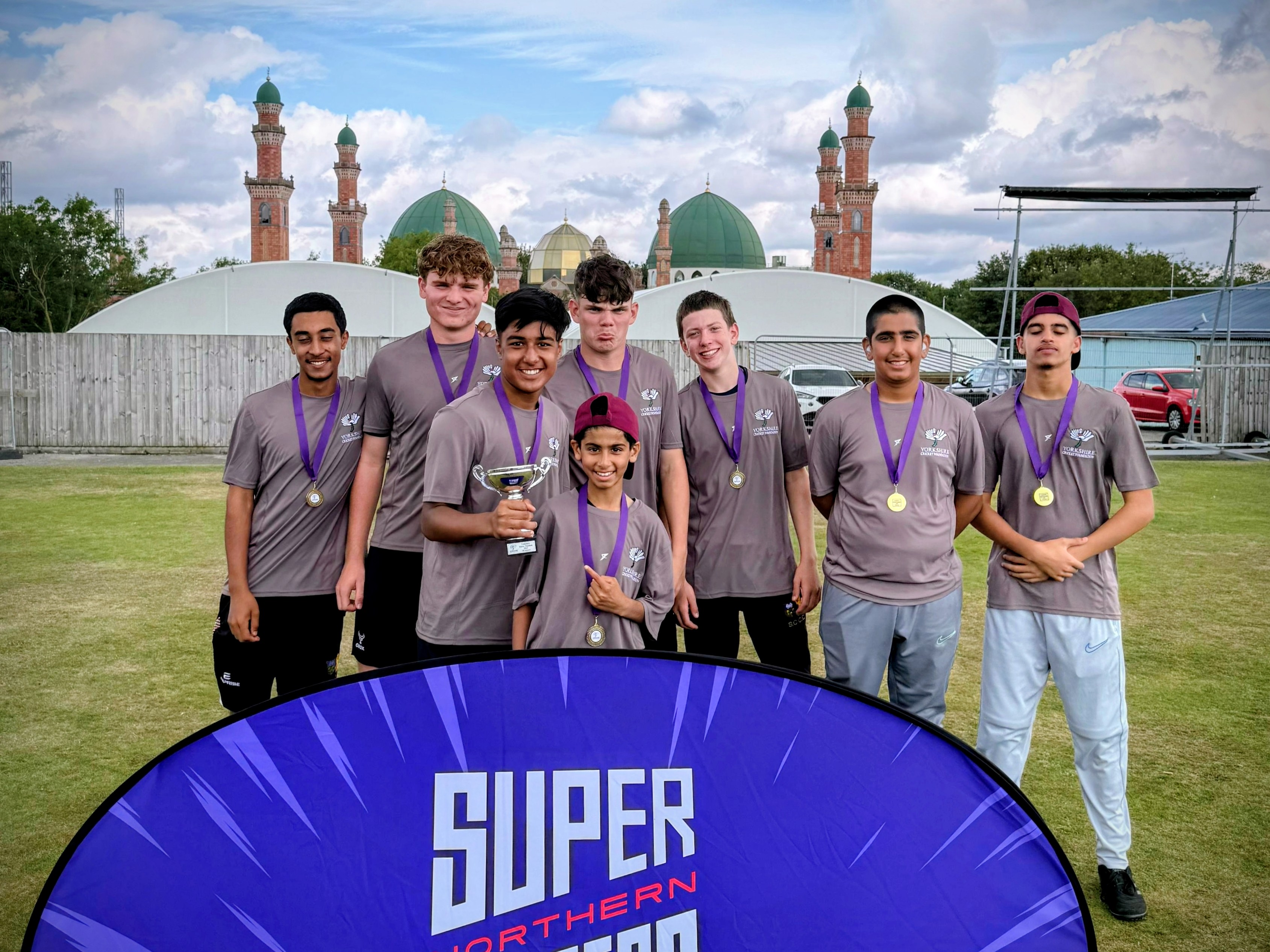


Three titles, one city identity
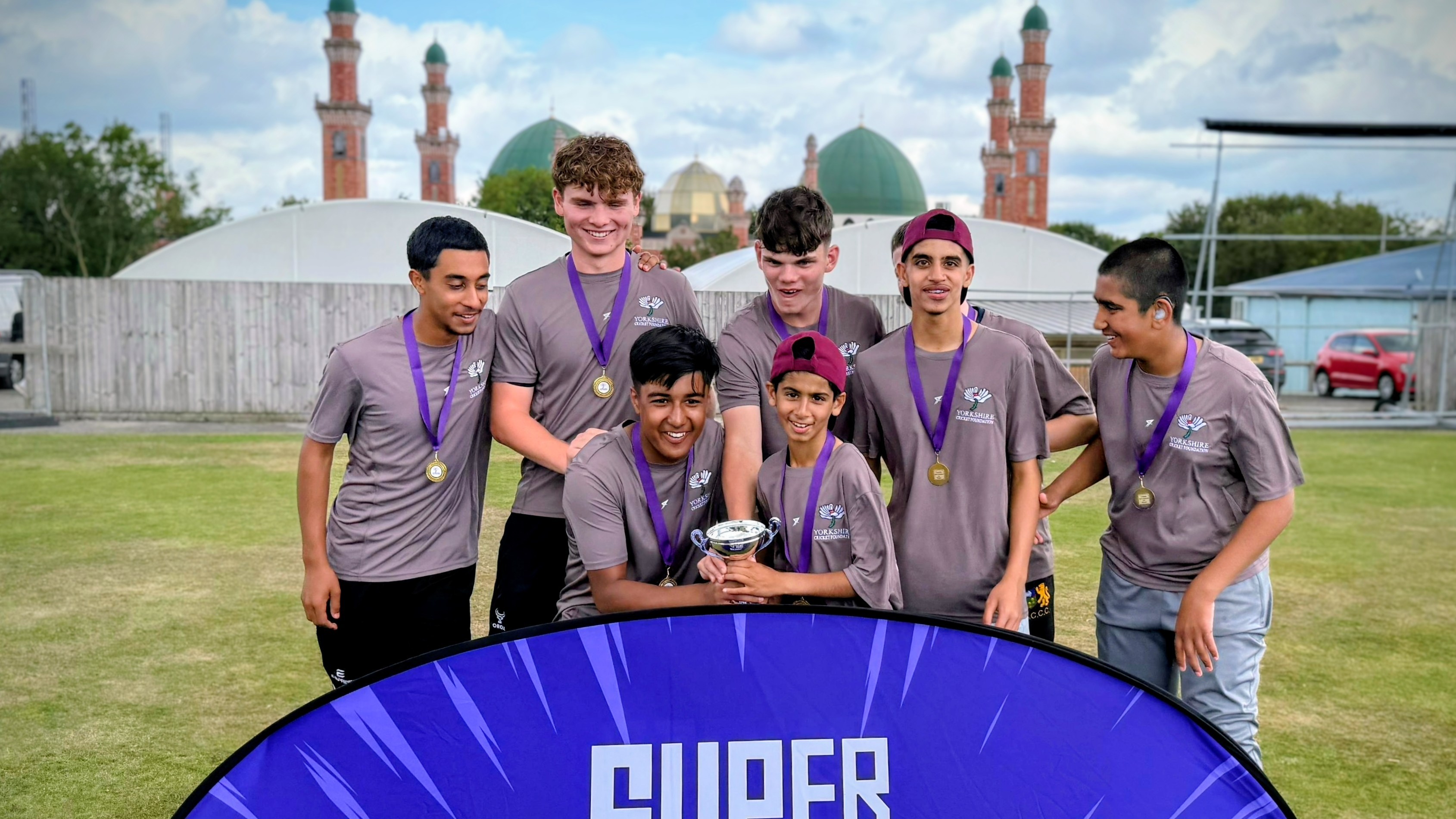
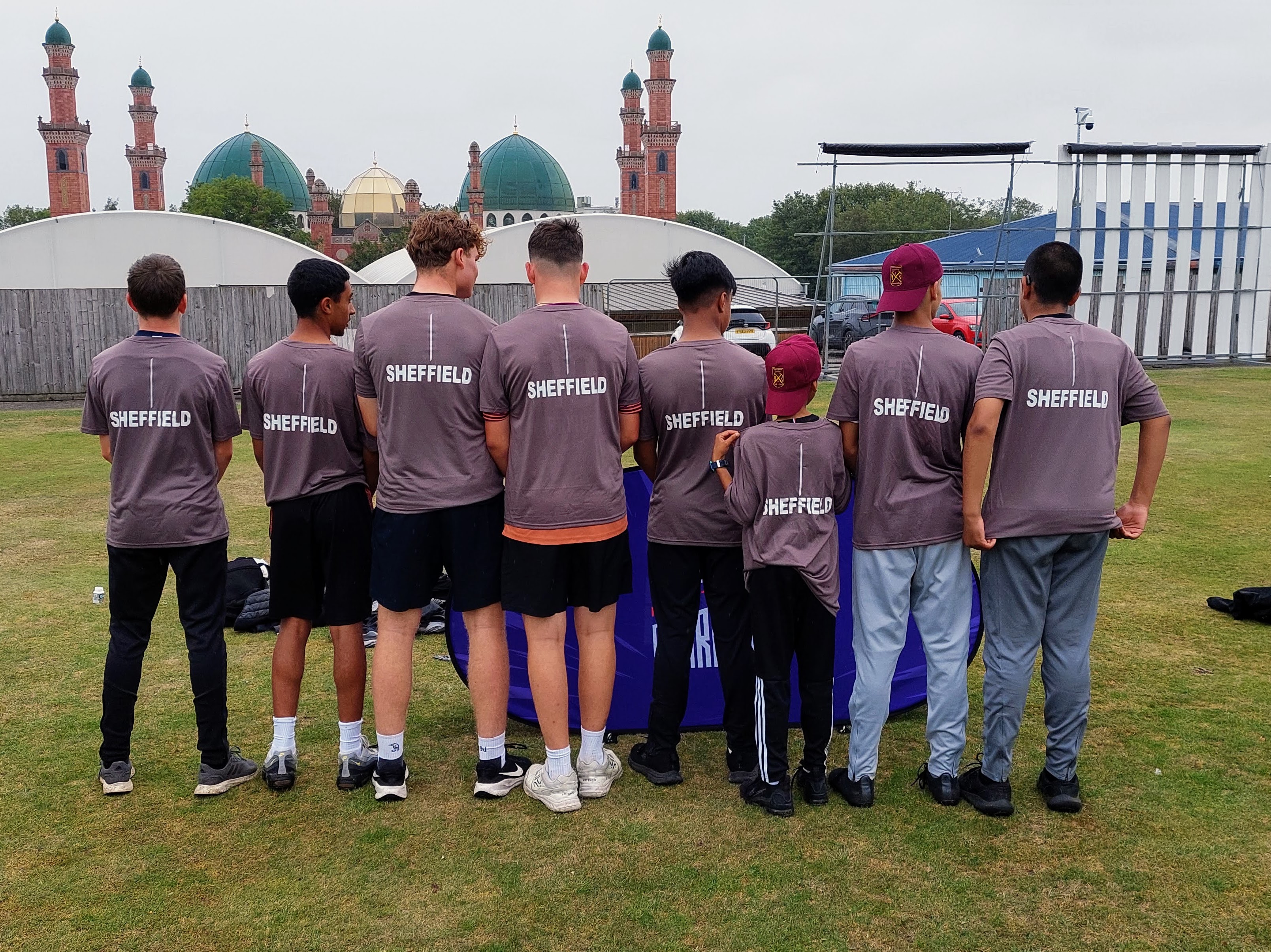
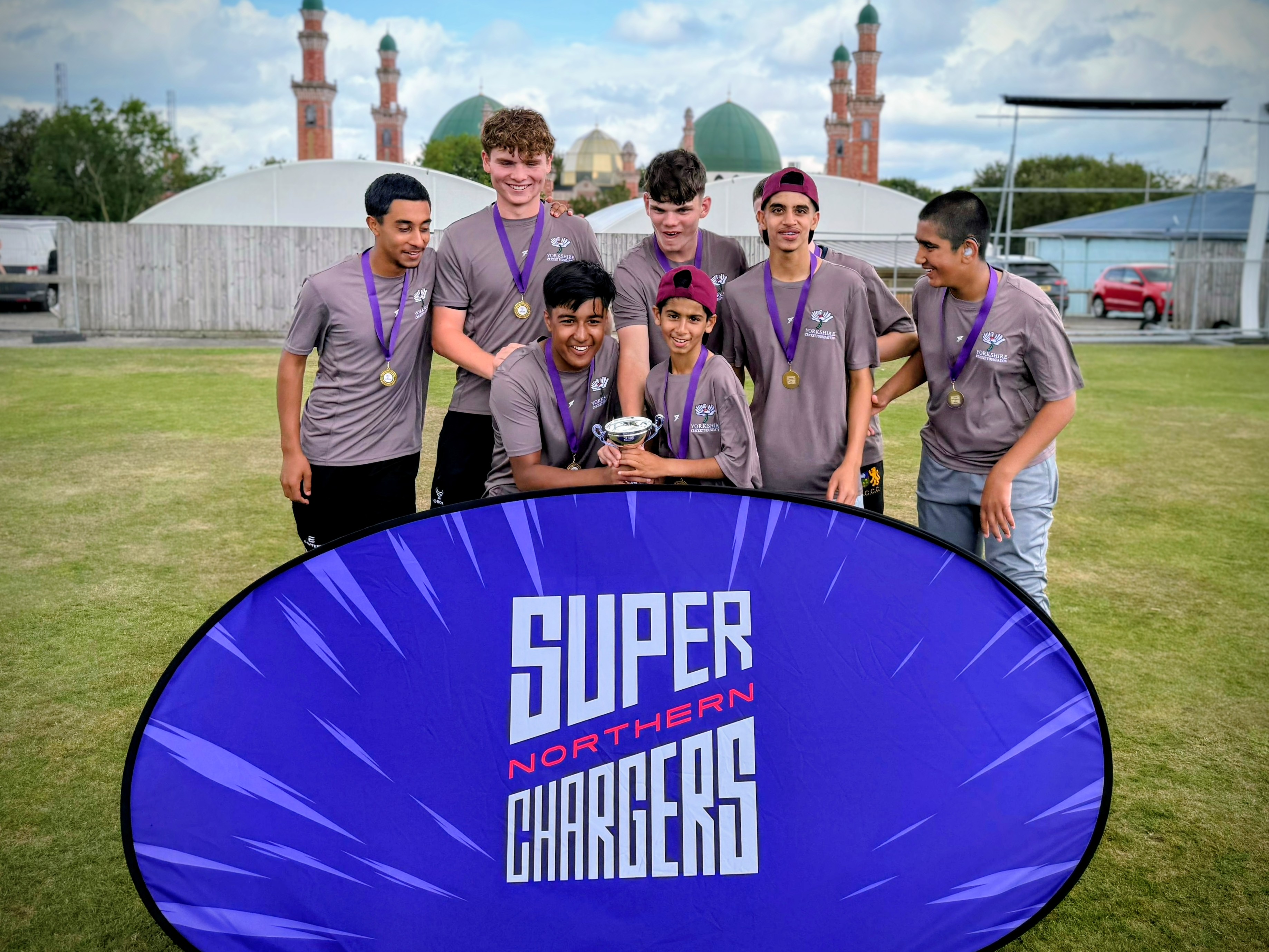
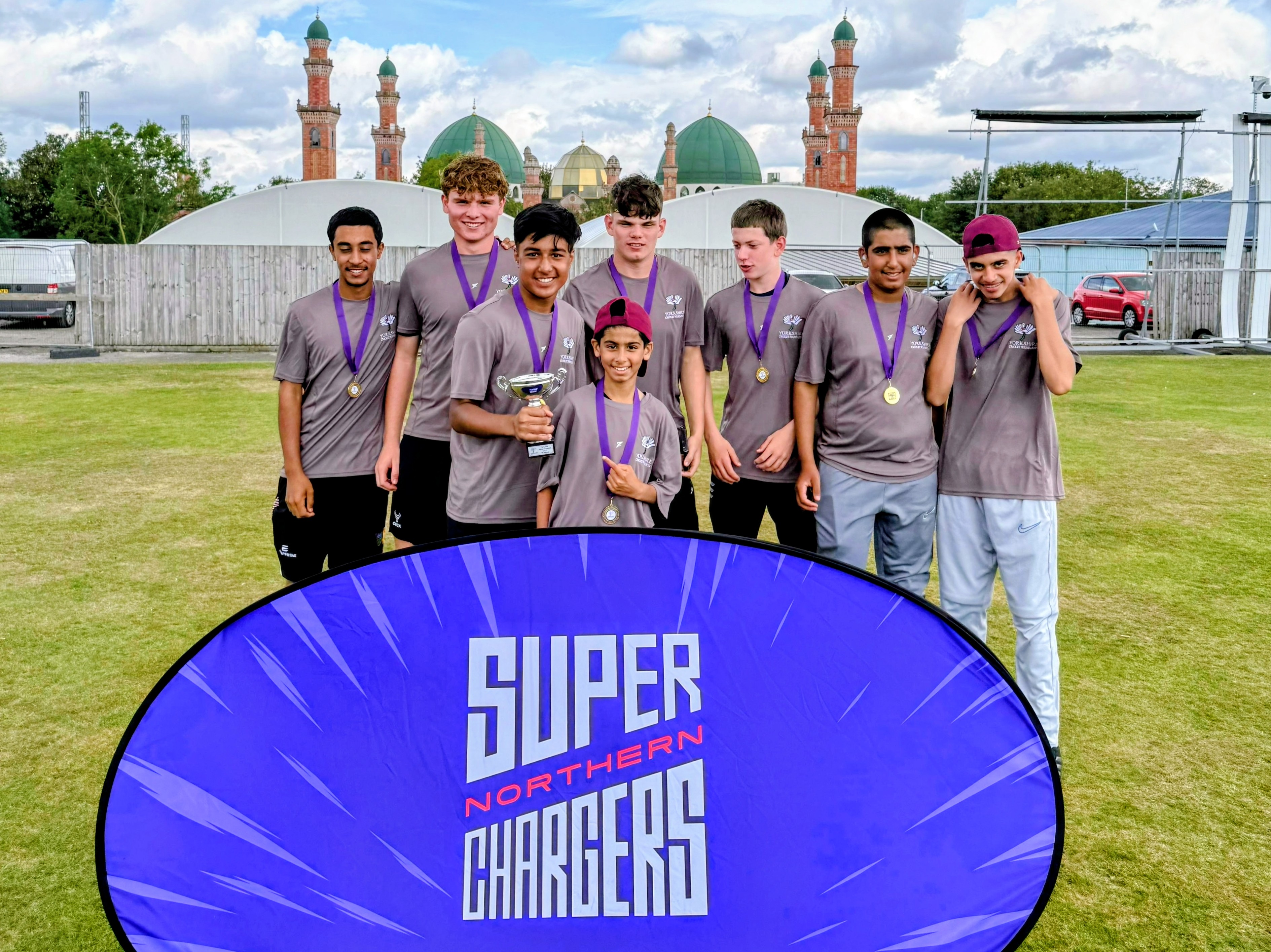
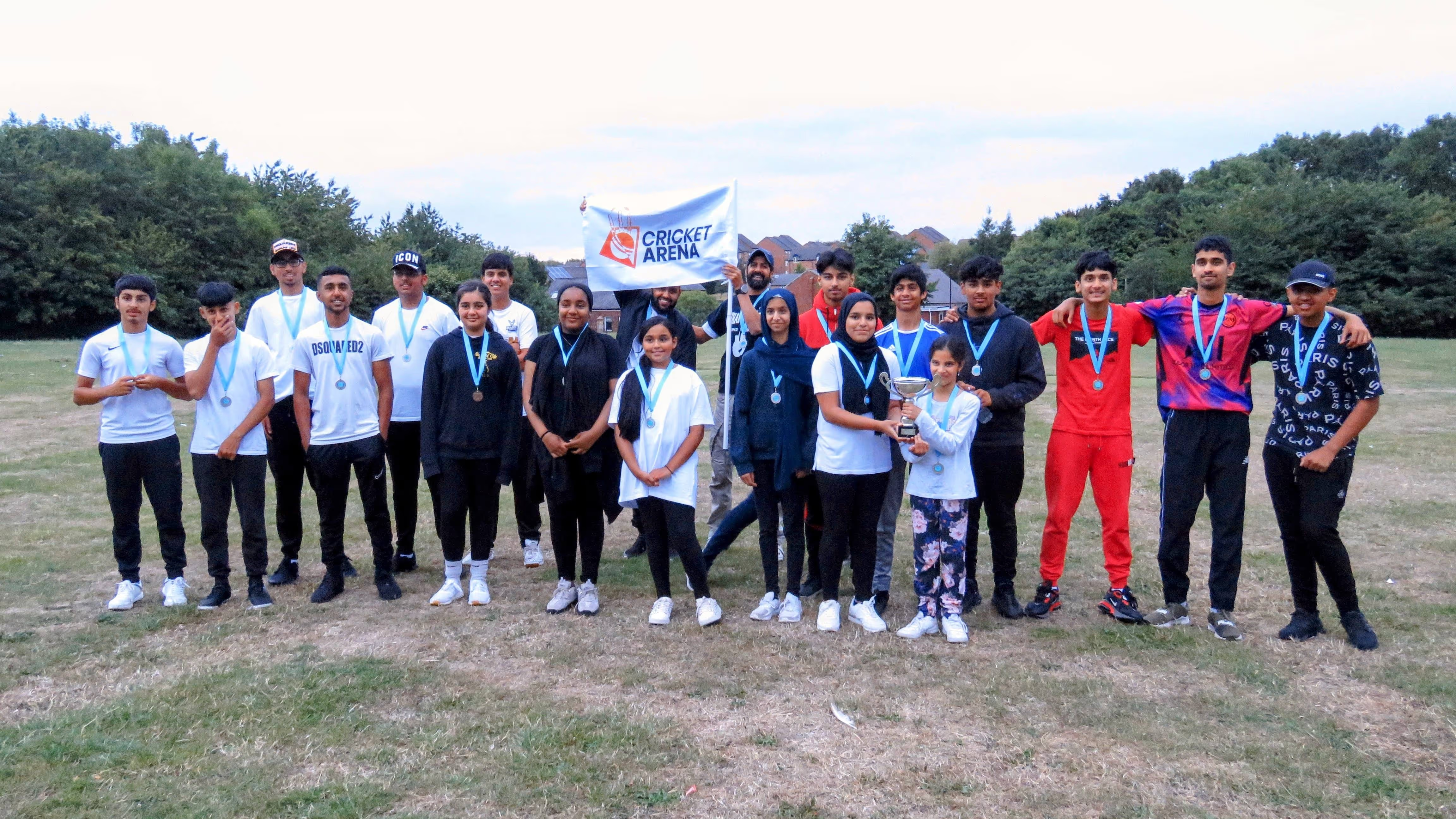
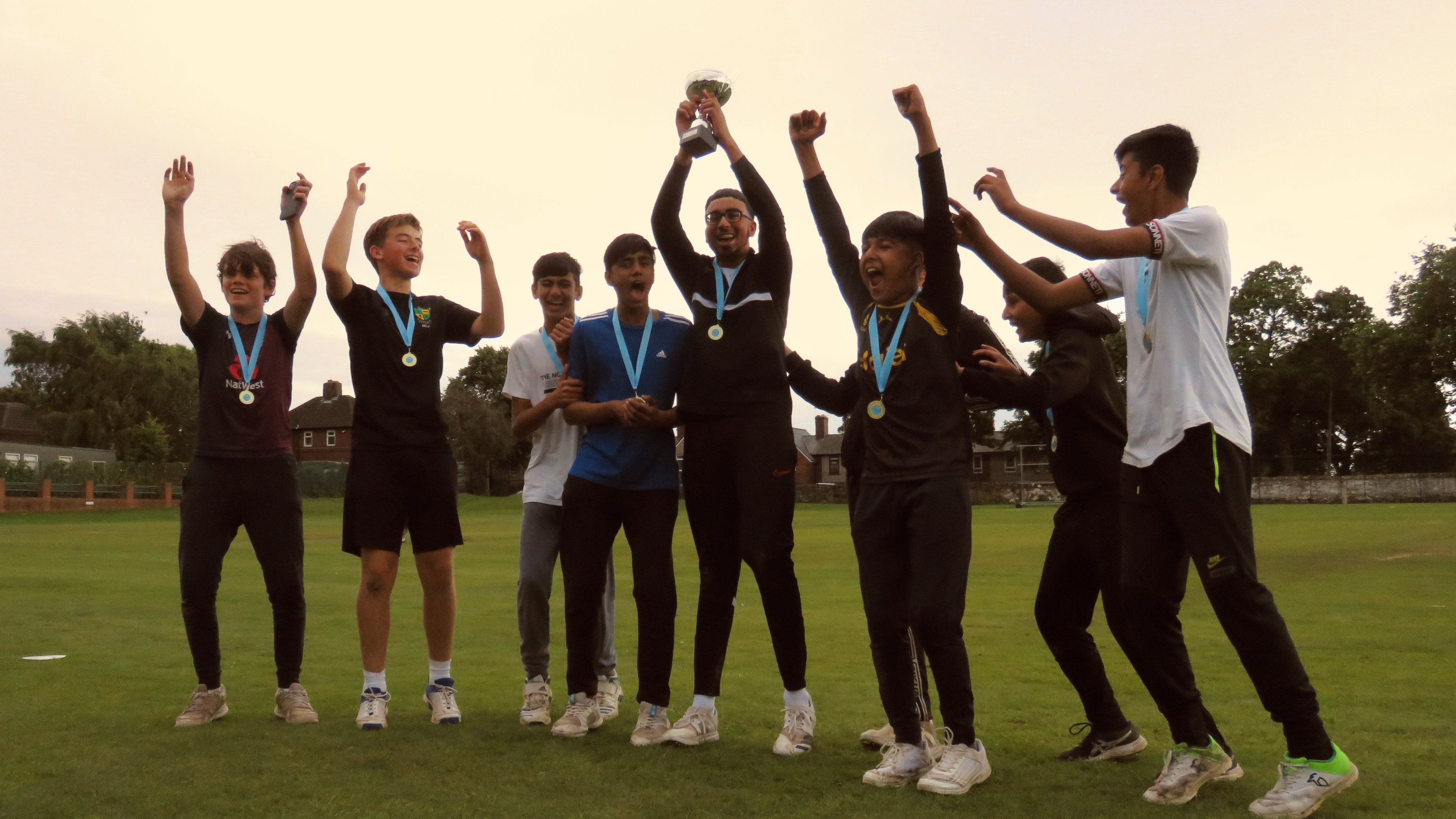
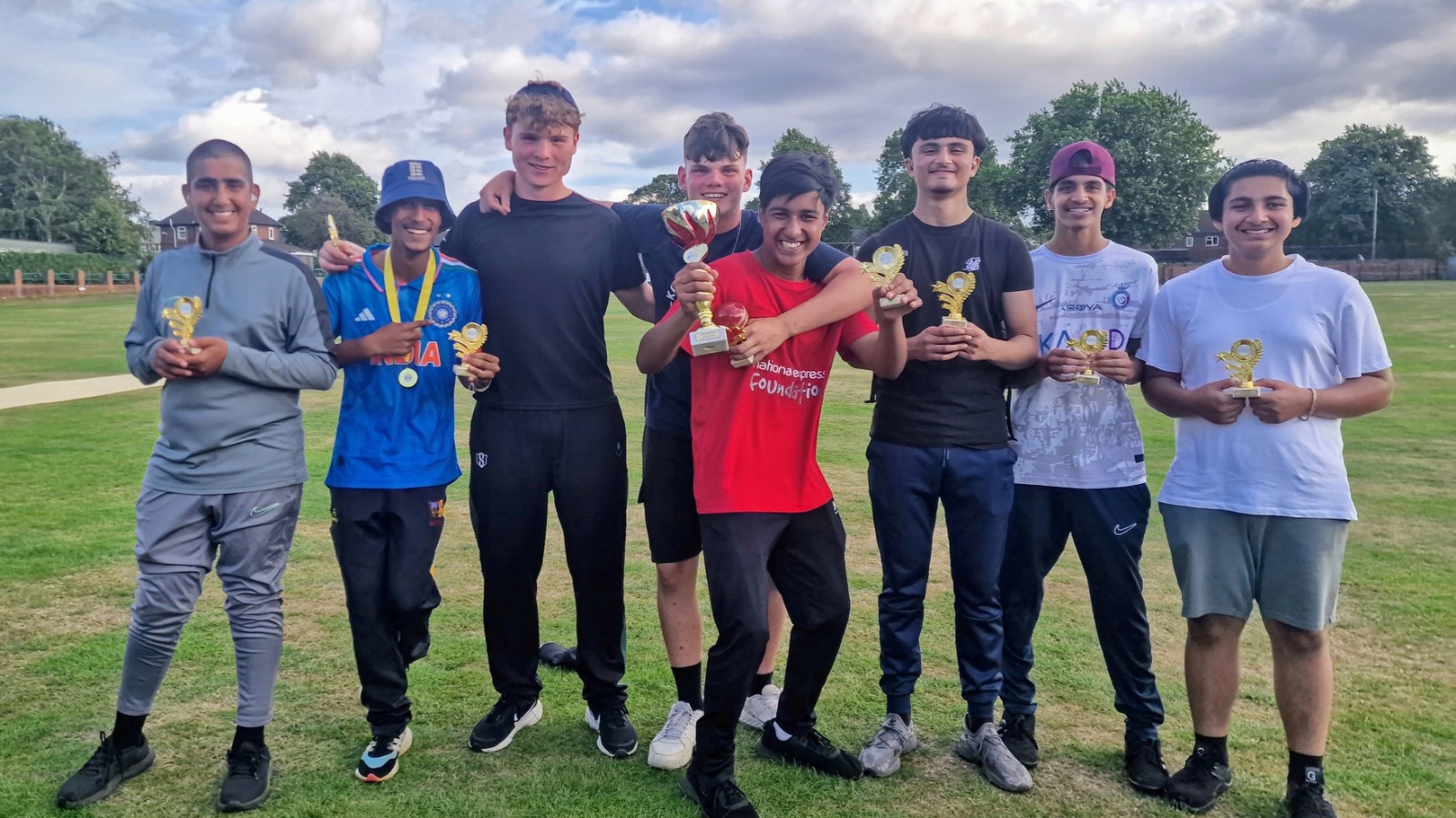
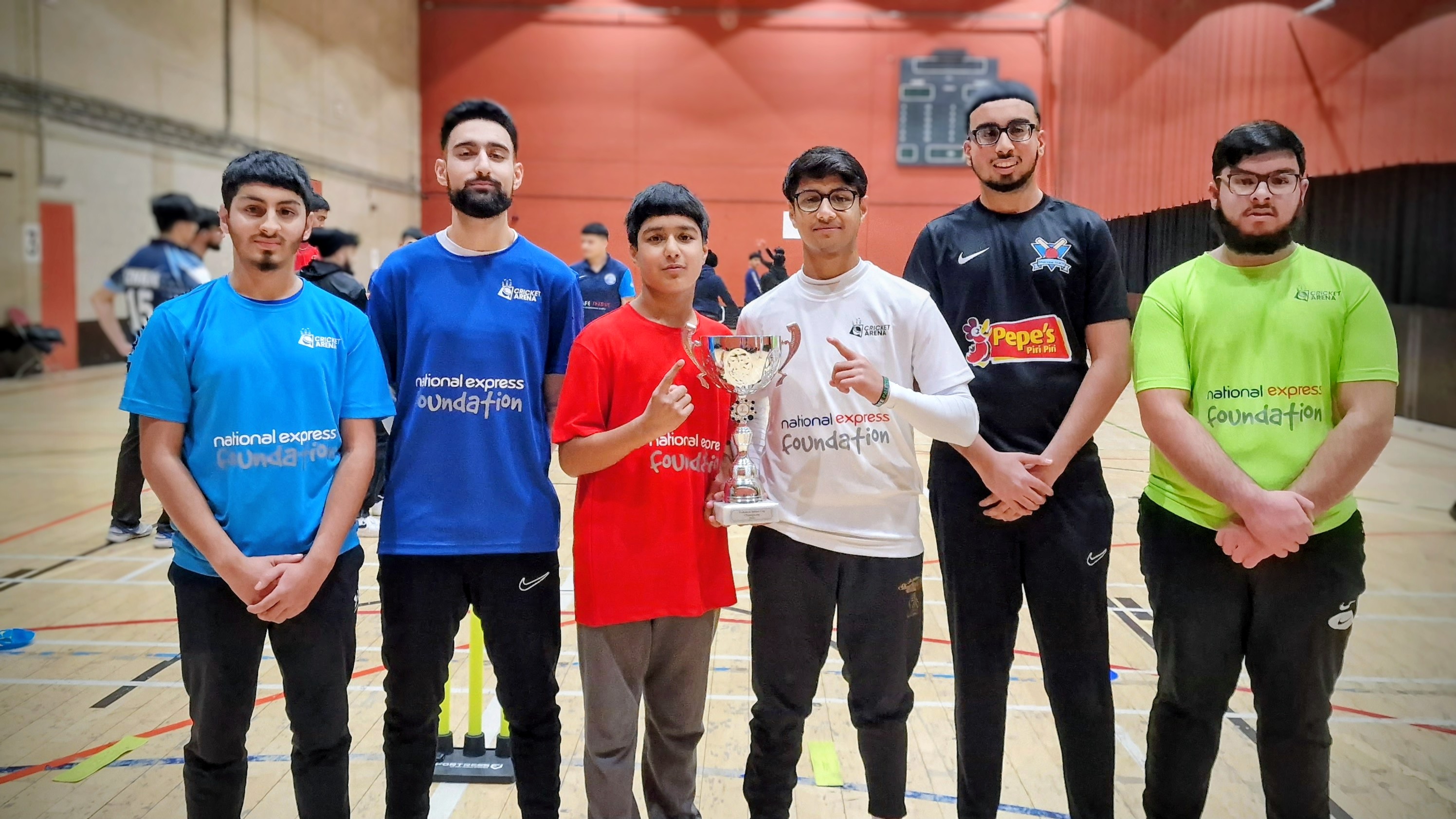
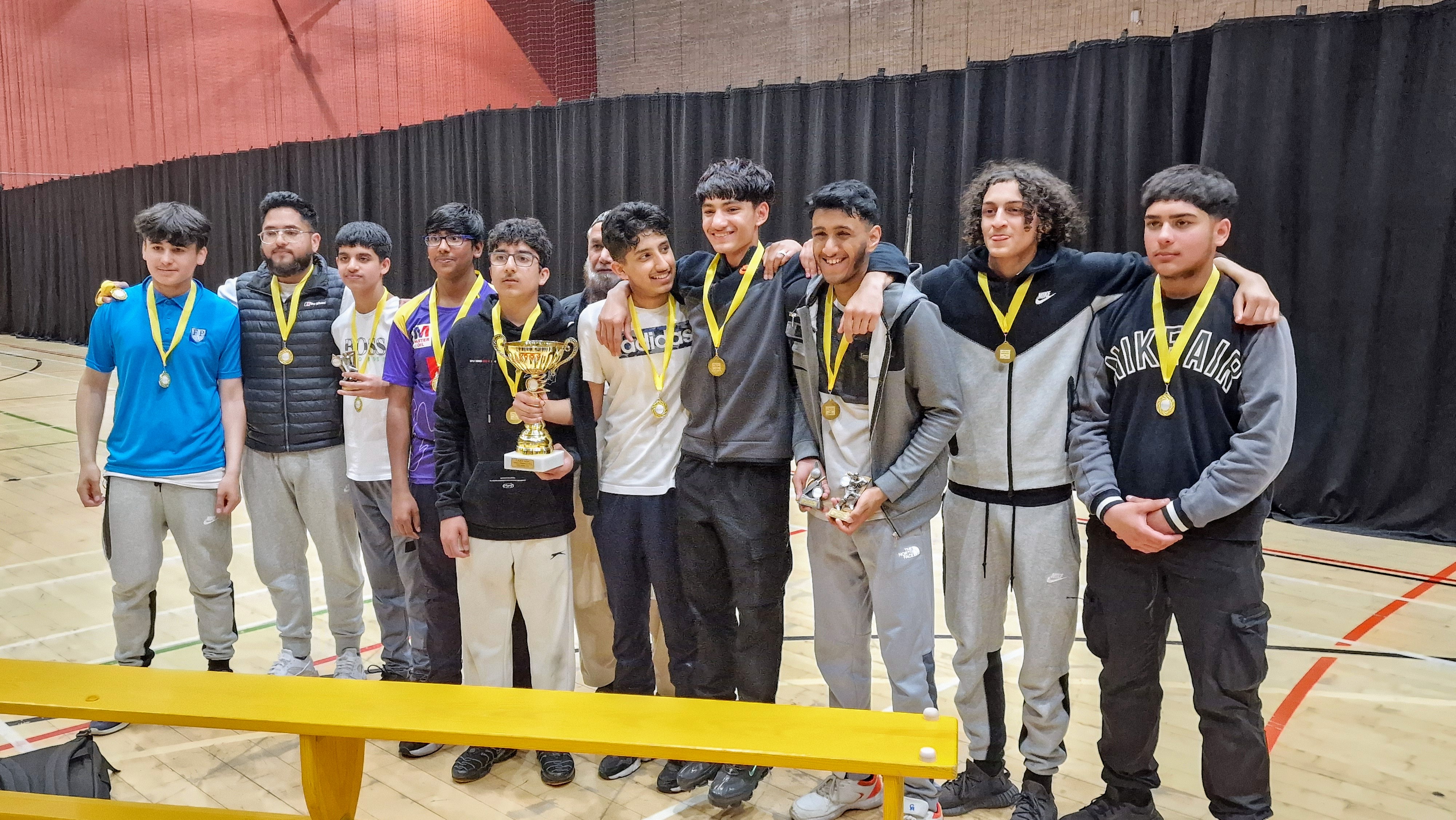
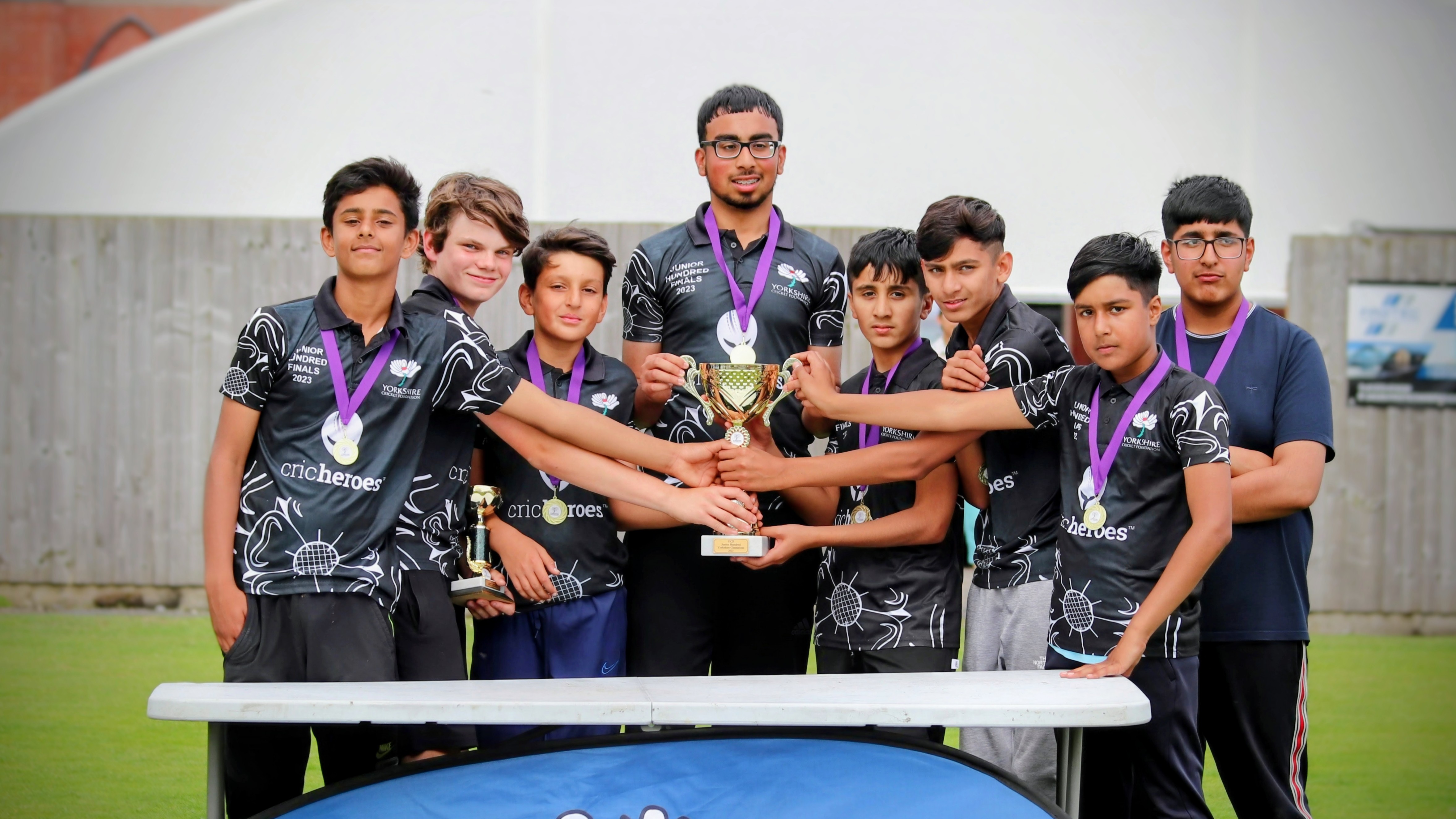
Yorkshire Junior Hundred Finals Day 2025 marked Sheffield’s return to the county stage after a year away, with Sharrow Stars qualifying through the Sheffield Junior Hundred and travelling to Park Avenue, Bradford, to represent the city once again.
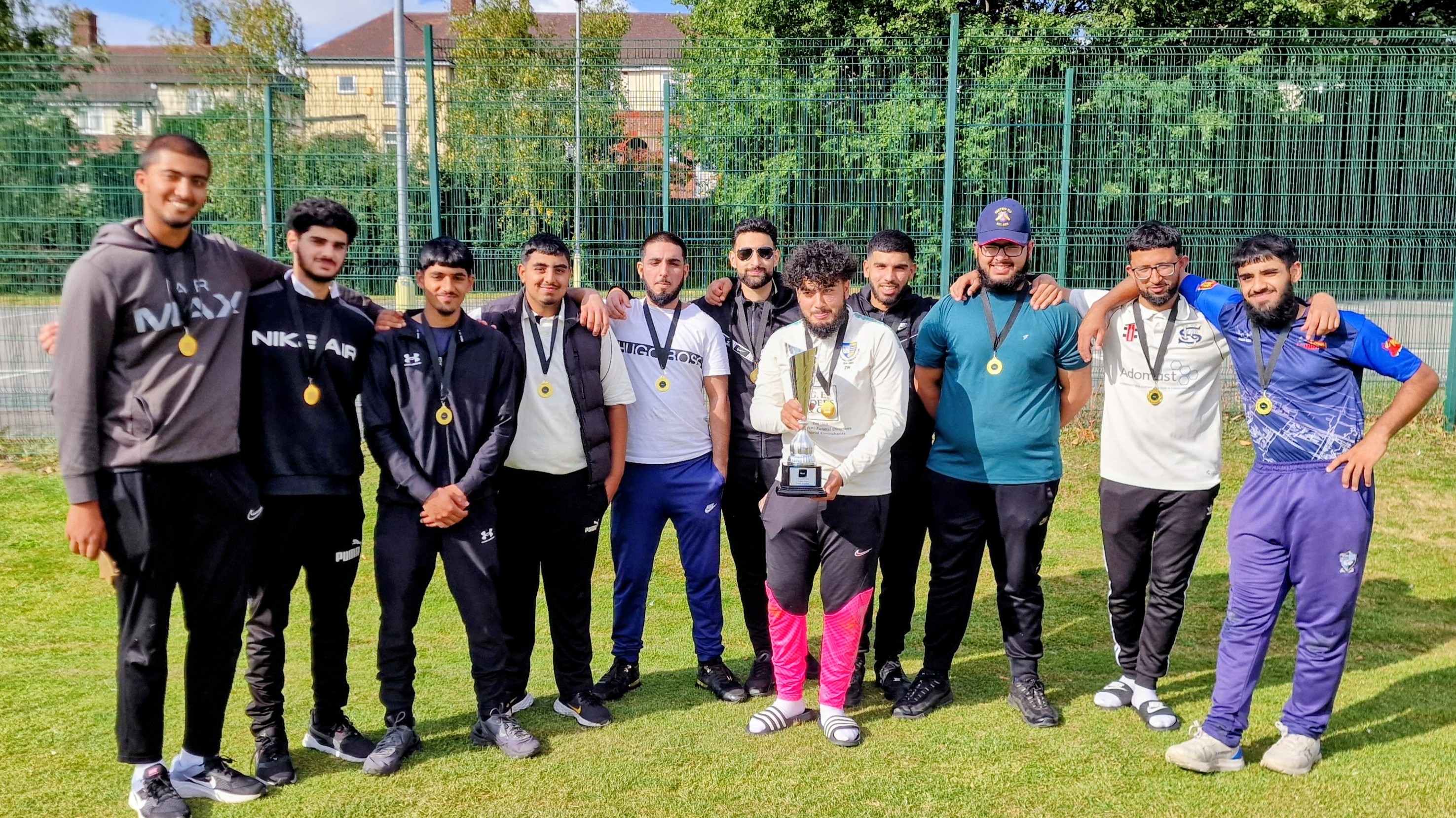
Across the day, Sheffield were in control. In the semi-final against Bradford, they chased down a target of 102 with seven wickets in hand, finishing on 103/1. That set the tone for the final, where they restricted Kirklees to 82/7 before completing an eight-wicket win without losing a wicket in reply.
The margins told the story. Sheffield were organised and consistent in both matches — a reflection of the coaching, volunteer support and competition structure that sits behind Junior Hundred cricket in the city.
A finals day that worked
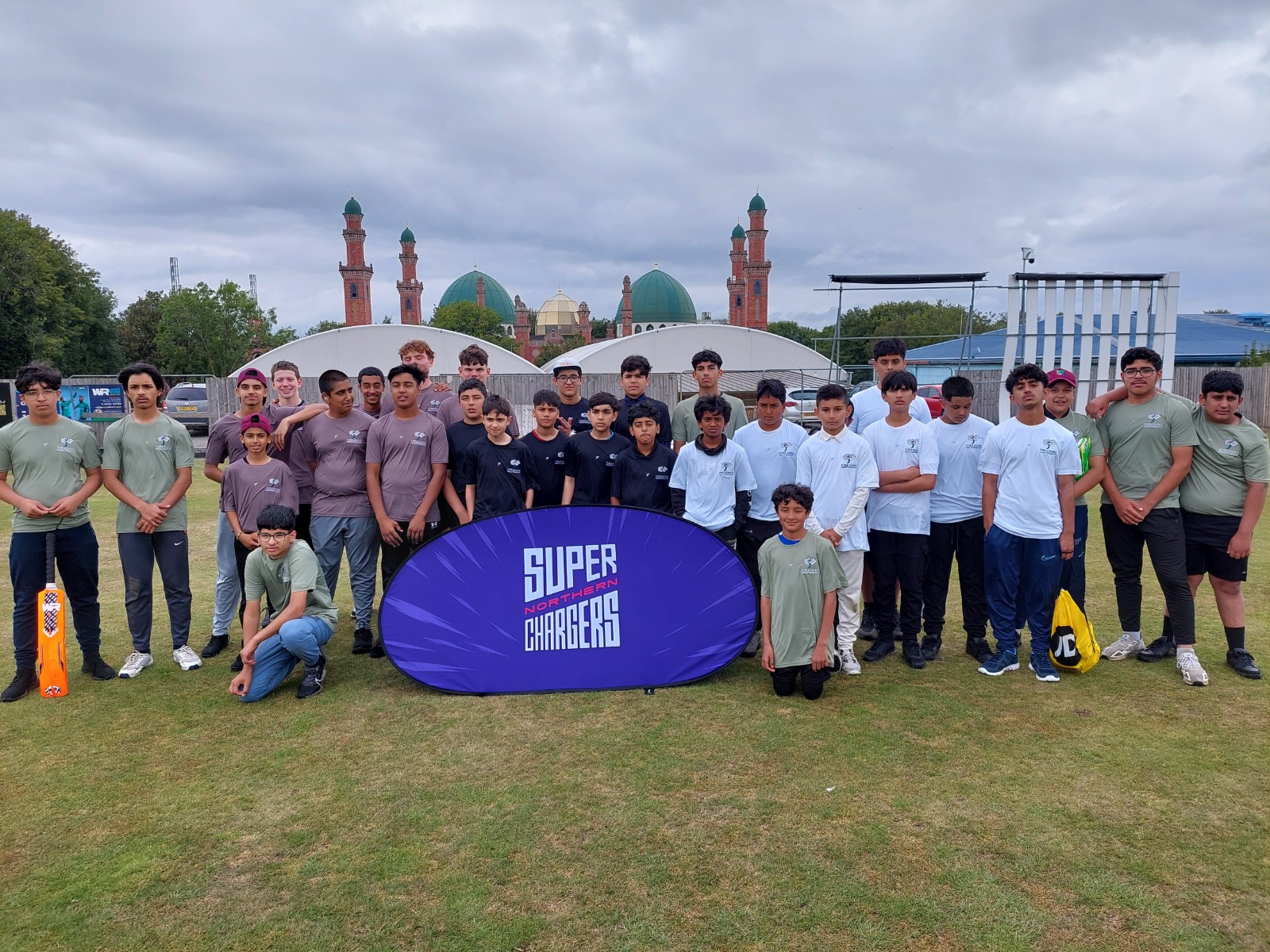
Finals Day brought together city champions from Sheffield, Leeds, Bradford and Kirklees, all qualifying through the same Junior Hundred format. That consistency showed. Games started on time, players knew what was expected, and the competition flowed smoothly from semi-finals into the final.
Rather than teams needing time to adjust, matches were competitive from the outset, with Sheffield setting the standard through disciplined bowling and efficient chases.
What happens around the games
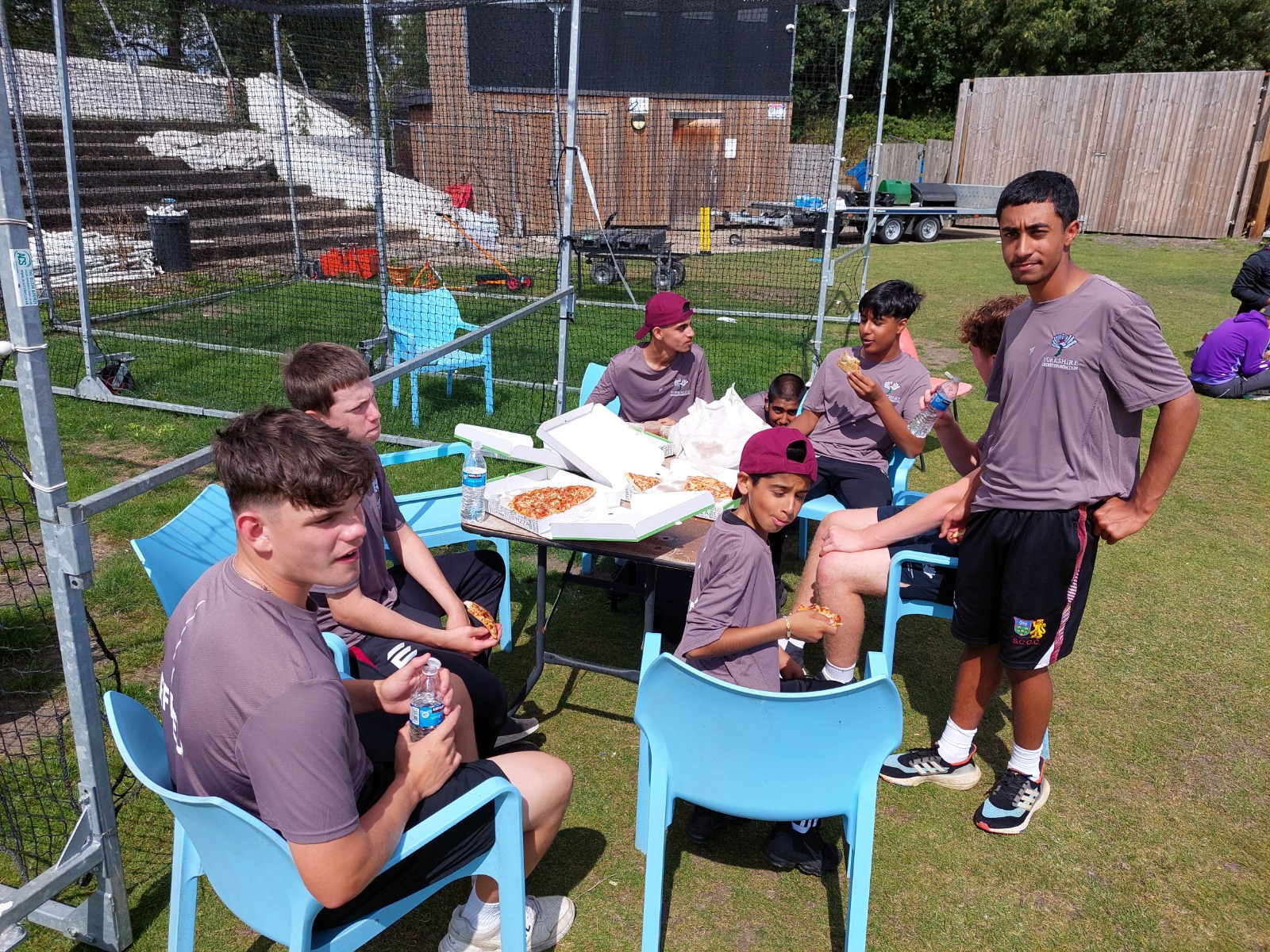
Between matches, the atmosphere at Bradford Park Avenue was relaxed and social. Players mixed on the outfield, coaches stayed close to the boundary, and volunteers kept the schedule moving as planned.
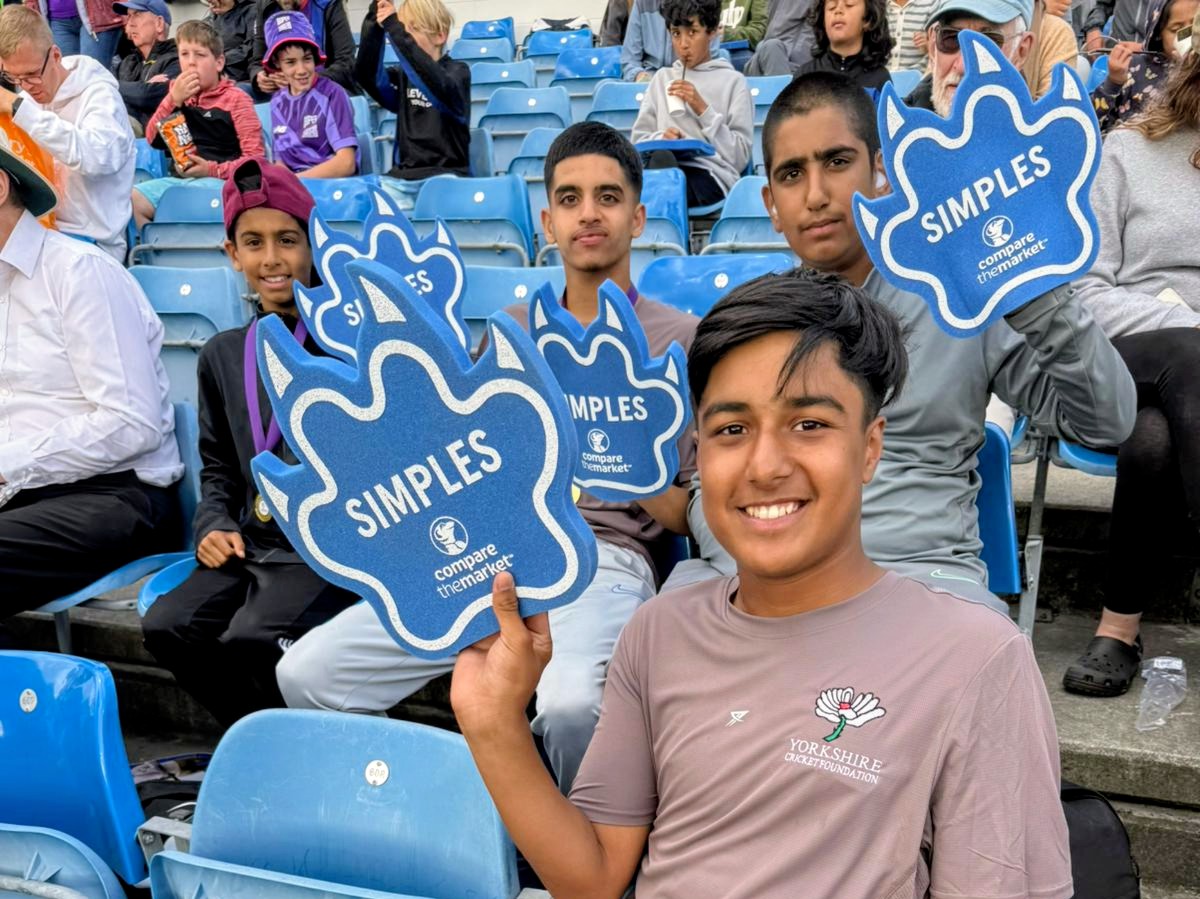
For many players, it was their first experience travelling to represent a city rather than a school or club side. Wearing city colours and spending the full day together added a different sense of responsibility to the occasion.
Learning on and off the field
Finals Day also showed how roles continue to shift within teams. A new captain led on the pitch, while a former skipper - Haseeb Yasin - supported from the boundary as a coach, offering guidance as situations developed.
Those moments — making decisions under pressure, adjusting plans between matches, and supporting teammates — are part of what players take away from days like this, beyond the result itself.
After the final
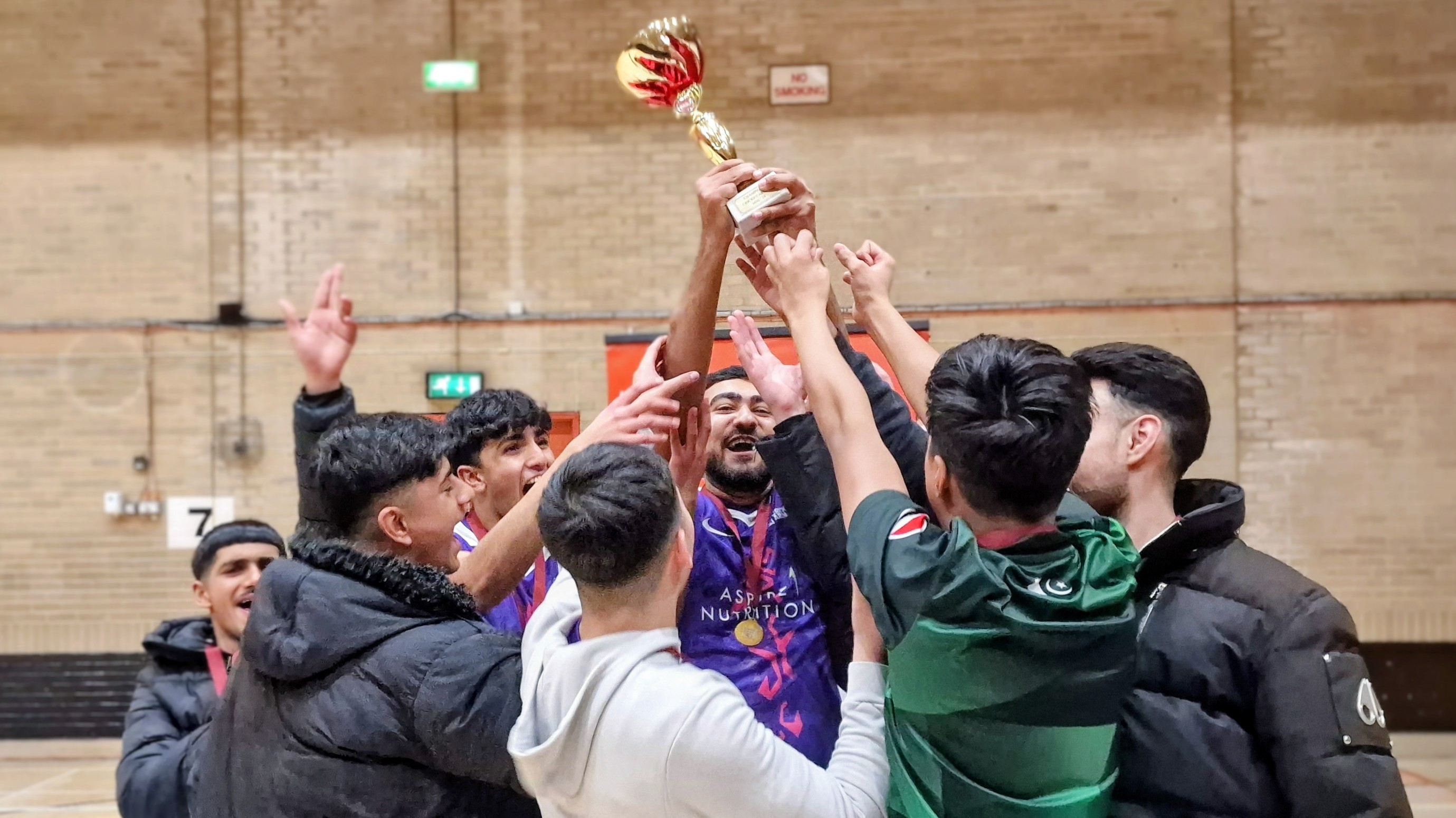
When the cricket finished, the takeaway wasn’t just the trophy. It was the experience of competing against other city champions, managing two matches in a single day, and seeing where the Junior Hundred pathway can lead next.
For some players, that next step will be club cricket or development programmes. For others, it will mean helping to build or support teams back in their own communities. Either way, Finals Day did its job: providing a clear, practical step forward within the game.


































.avif)
.avif)