



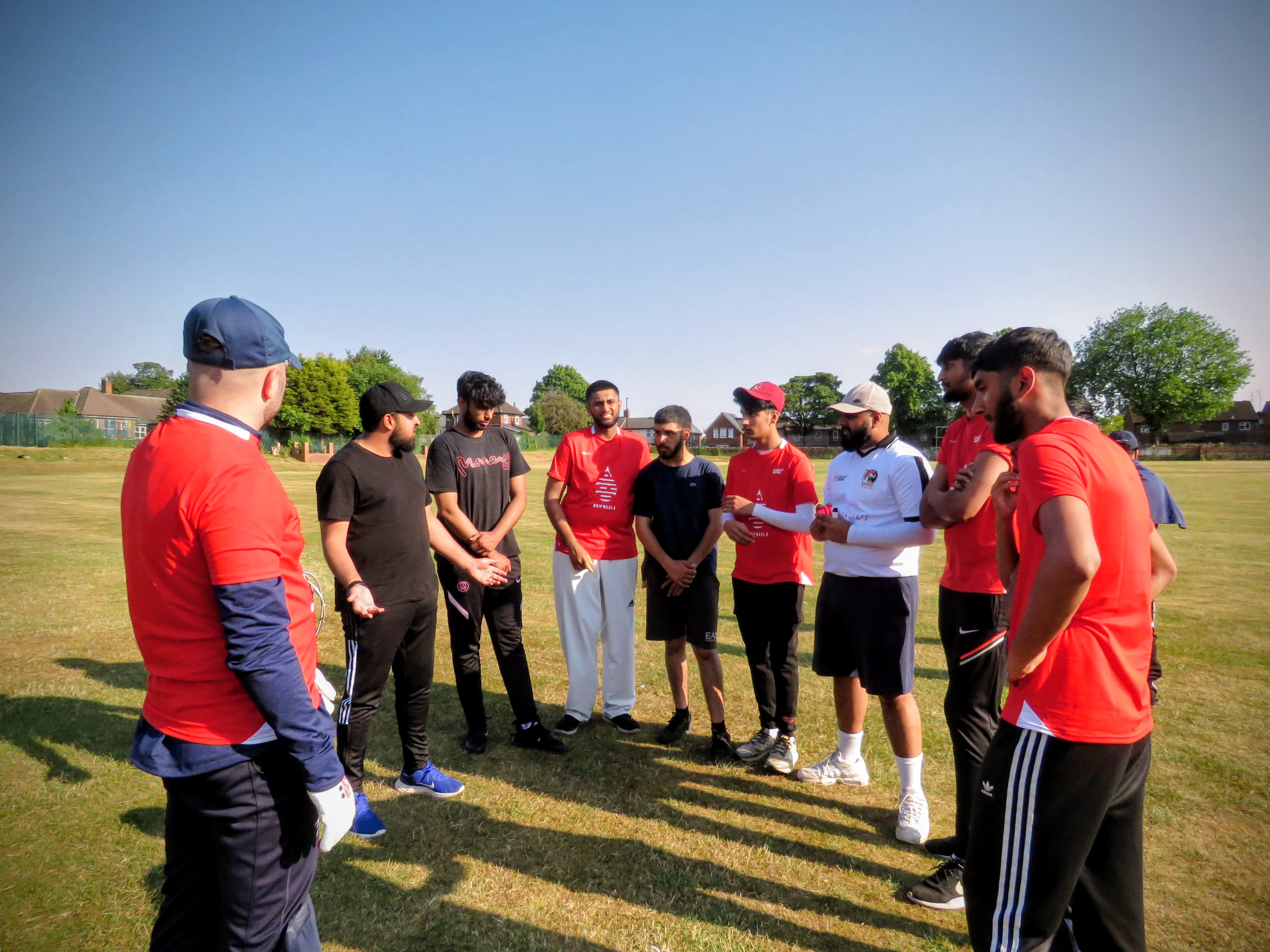

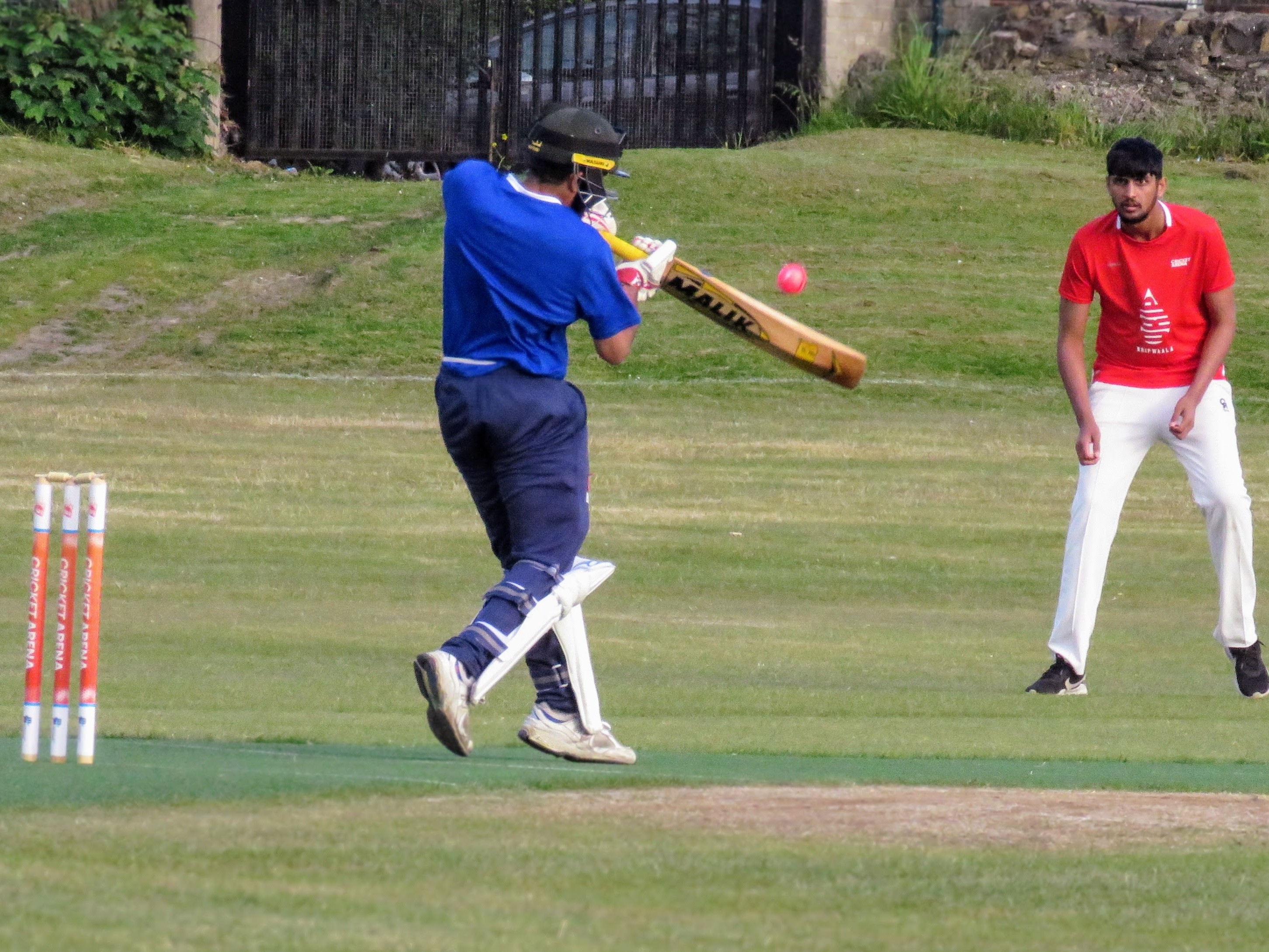
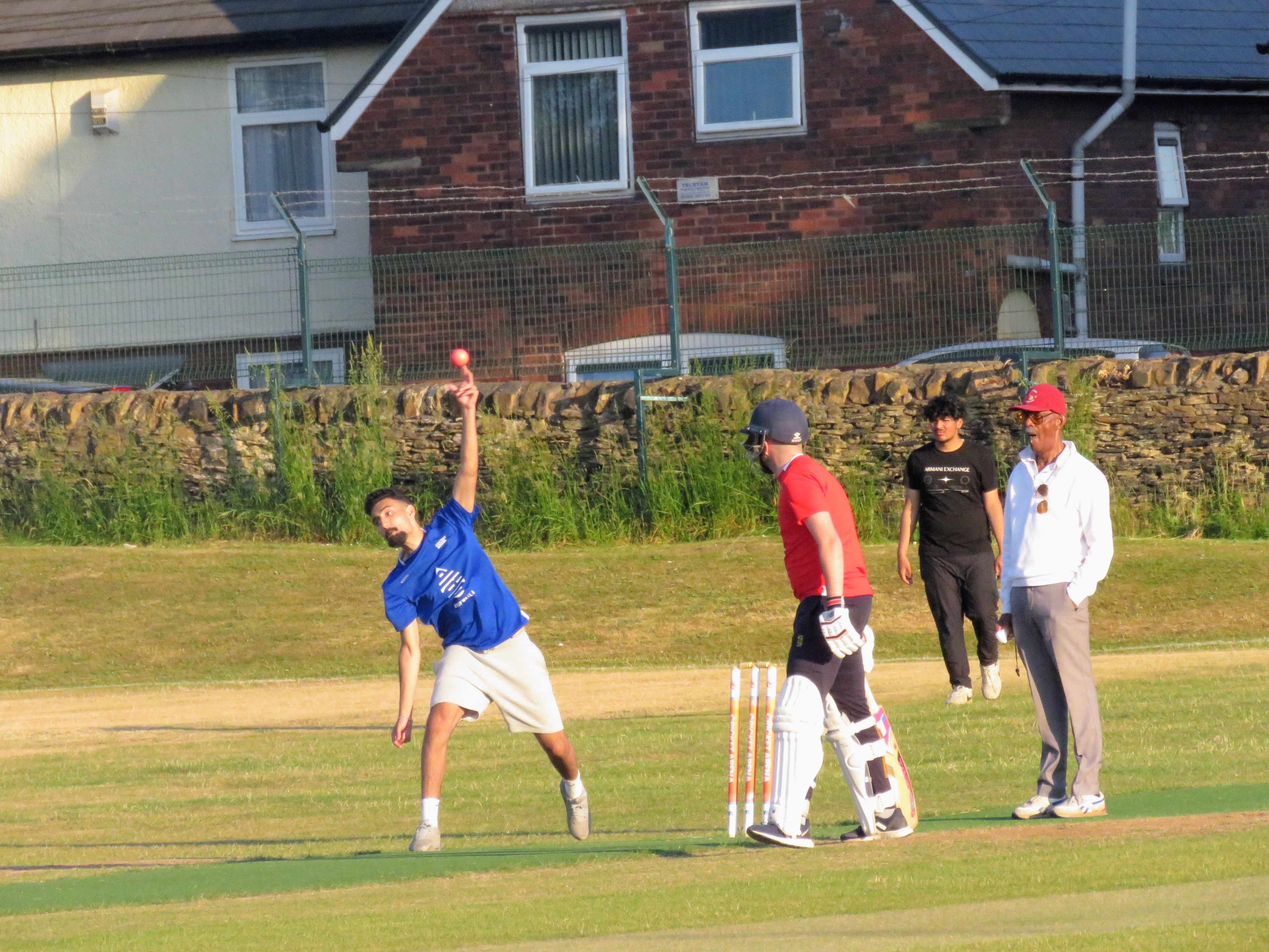
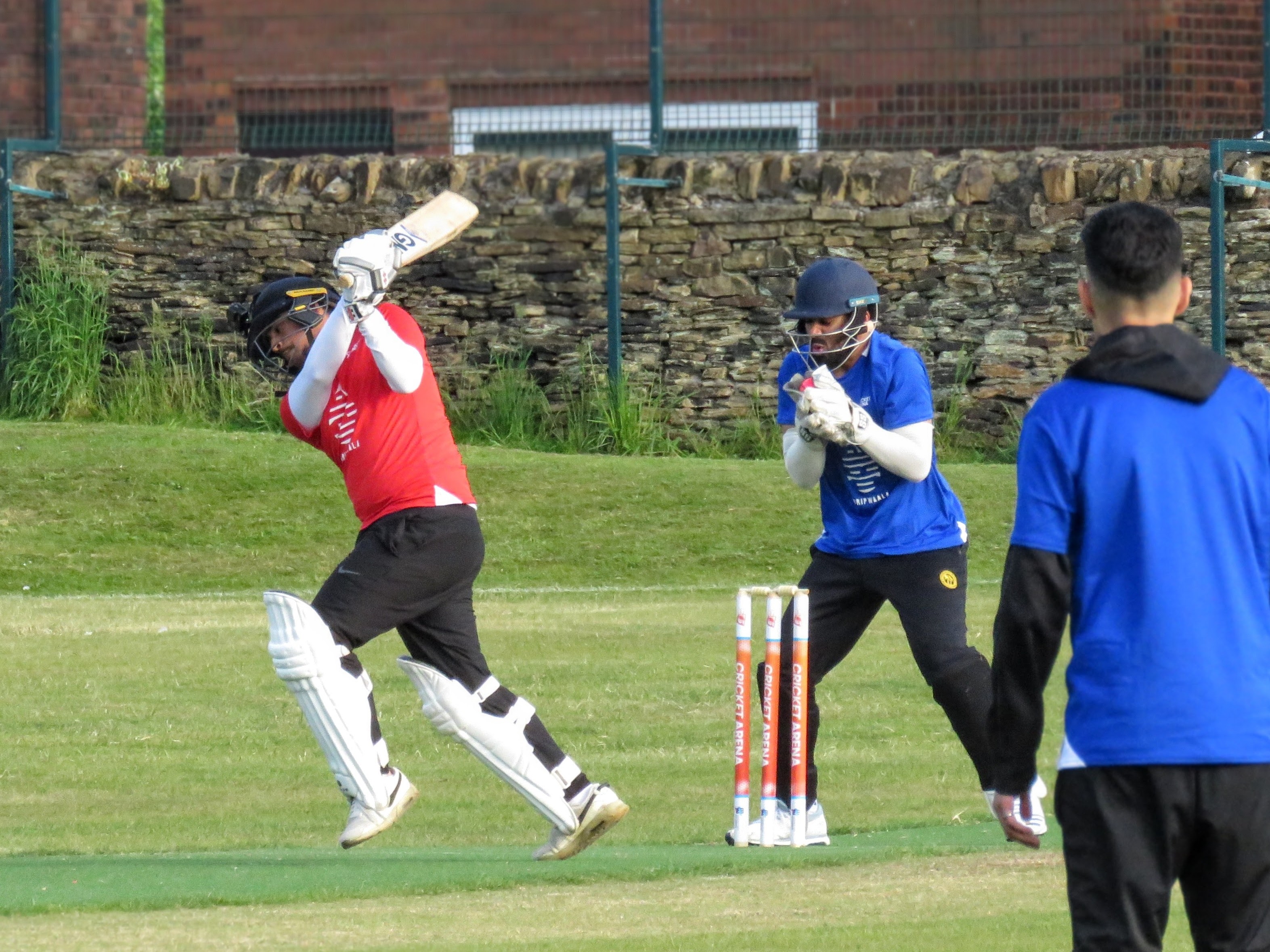
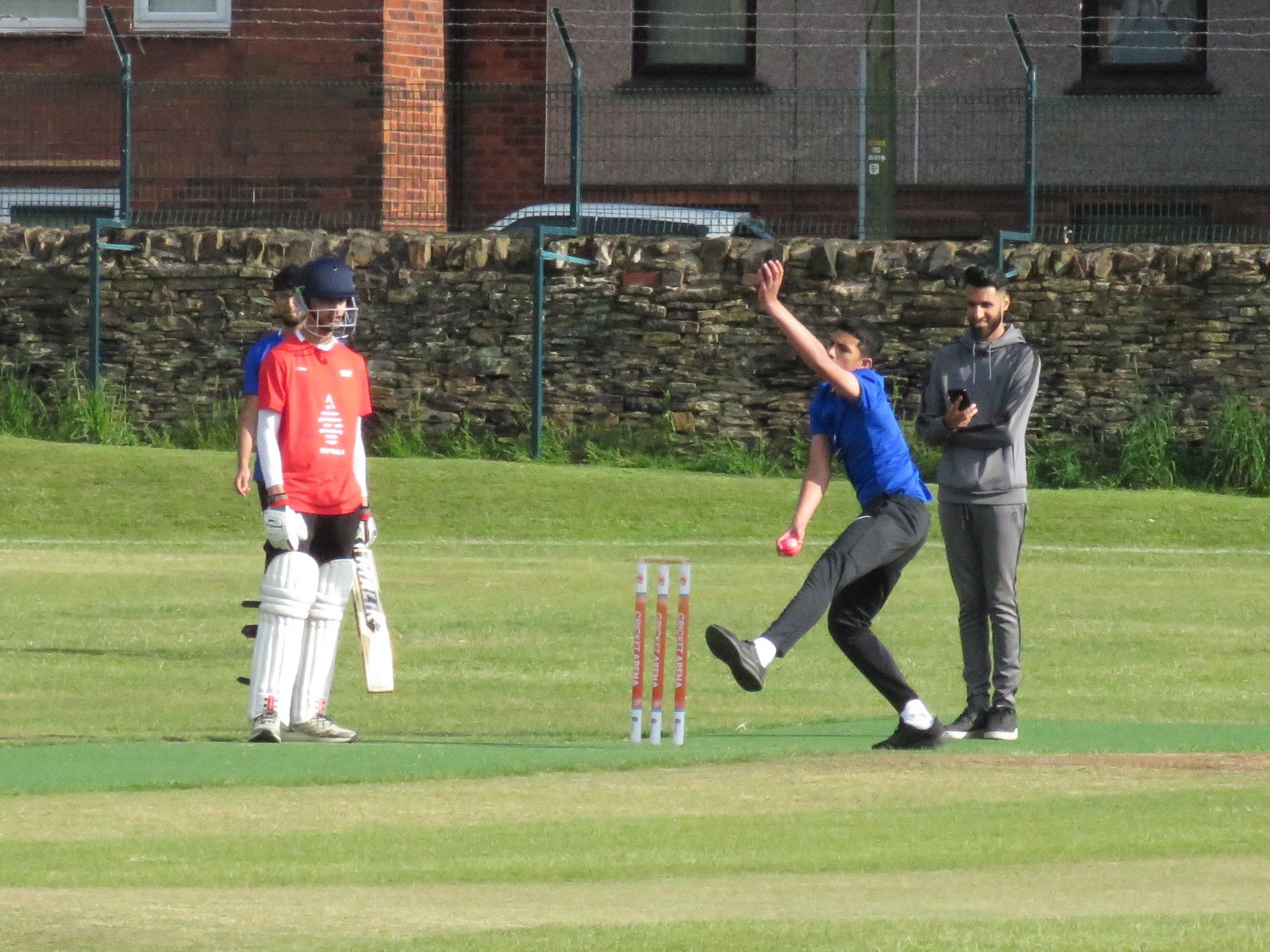
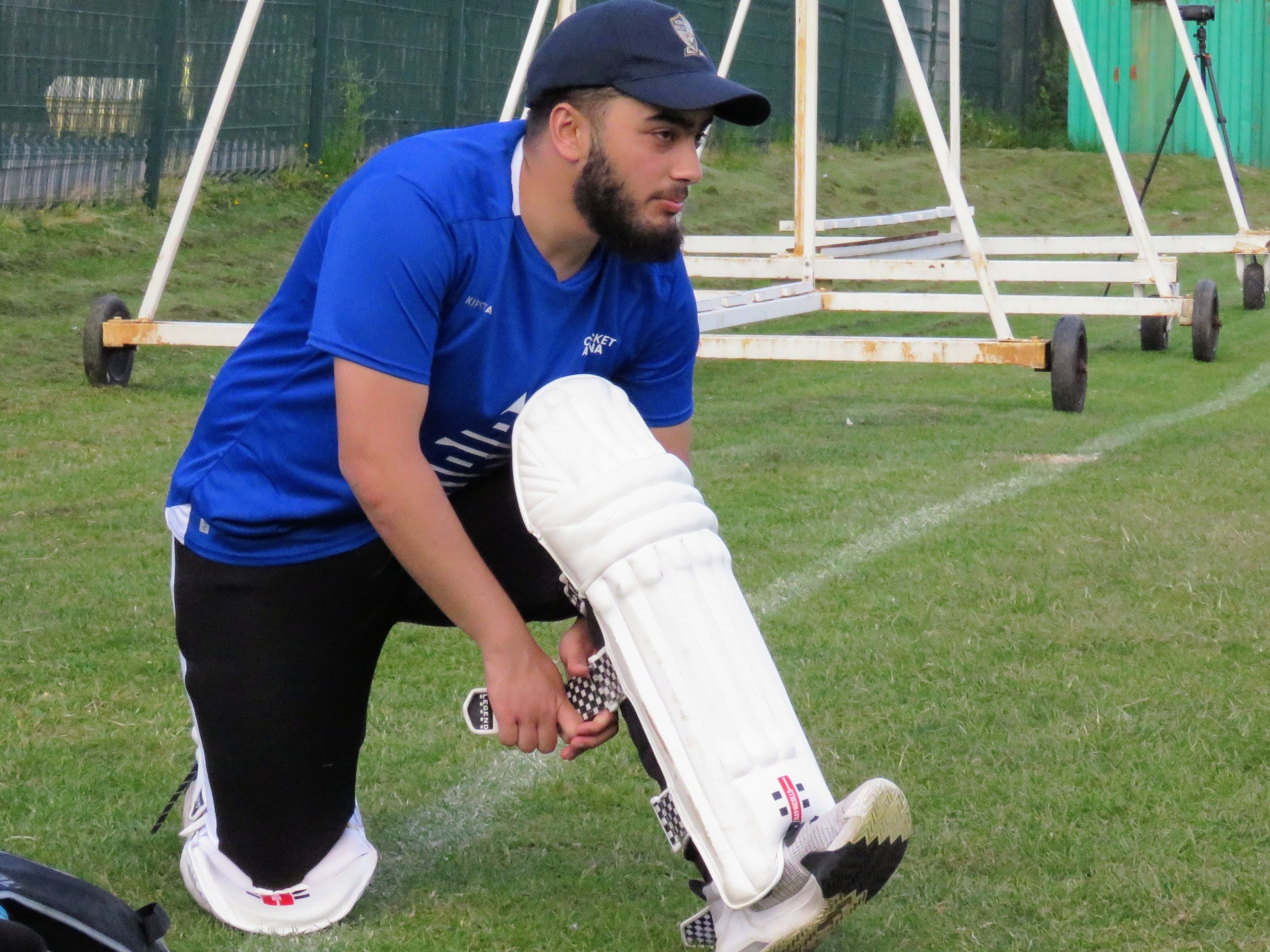


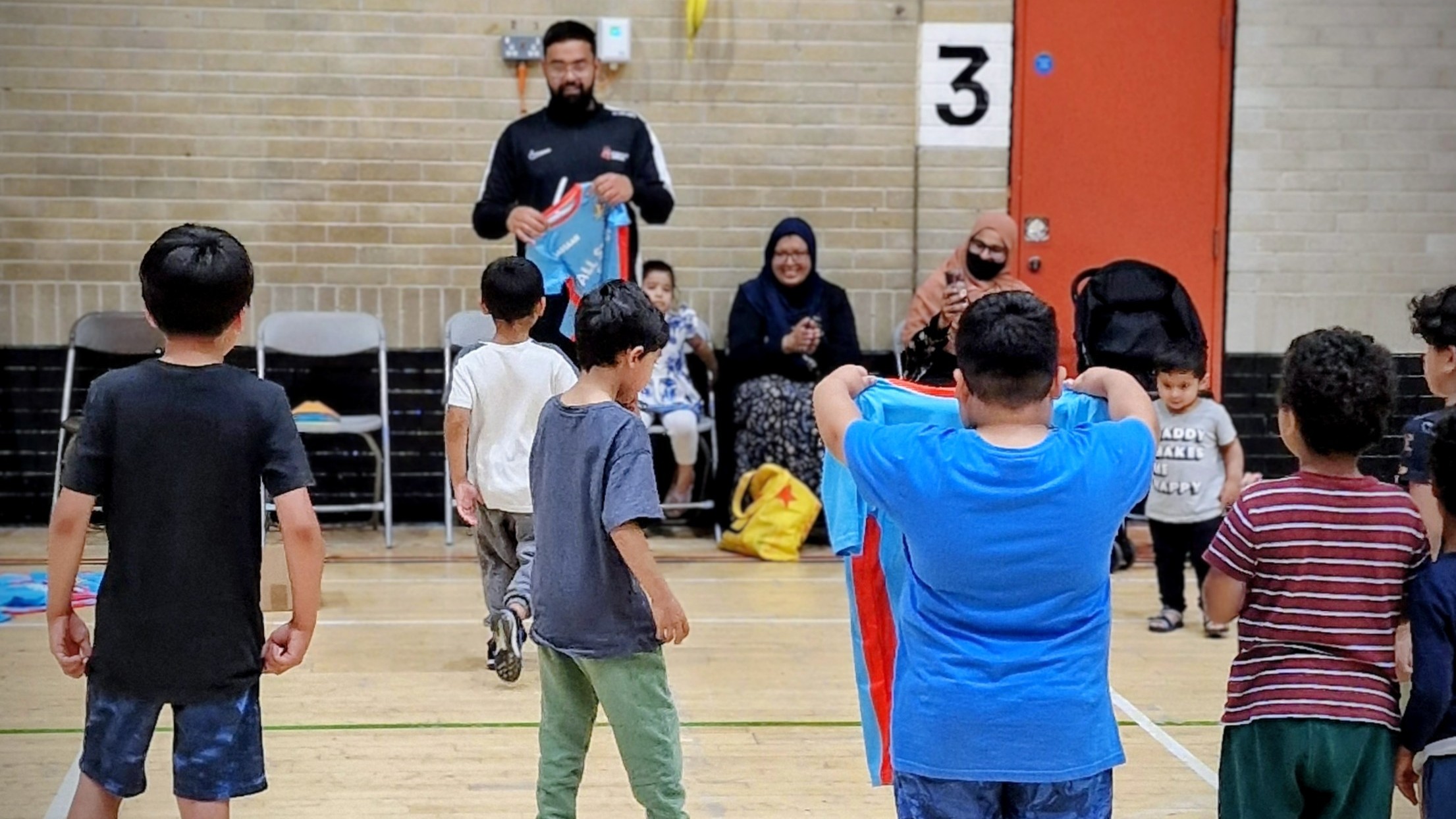
Why summer works. Holidays mean free time, long daylight hours and less pressure. With school out, youth could enjoy the sunshine, play longer games (compared to indoor season), and can pop down even when not playing to watch and support mates.
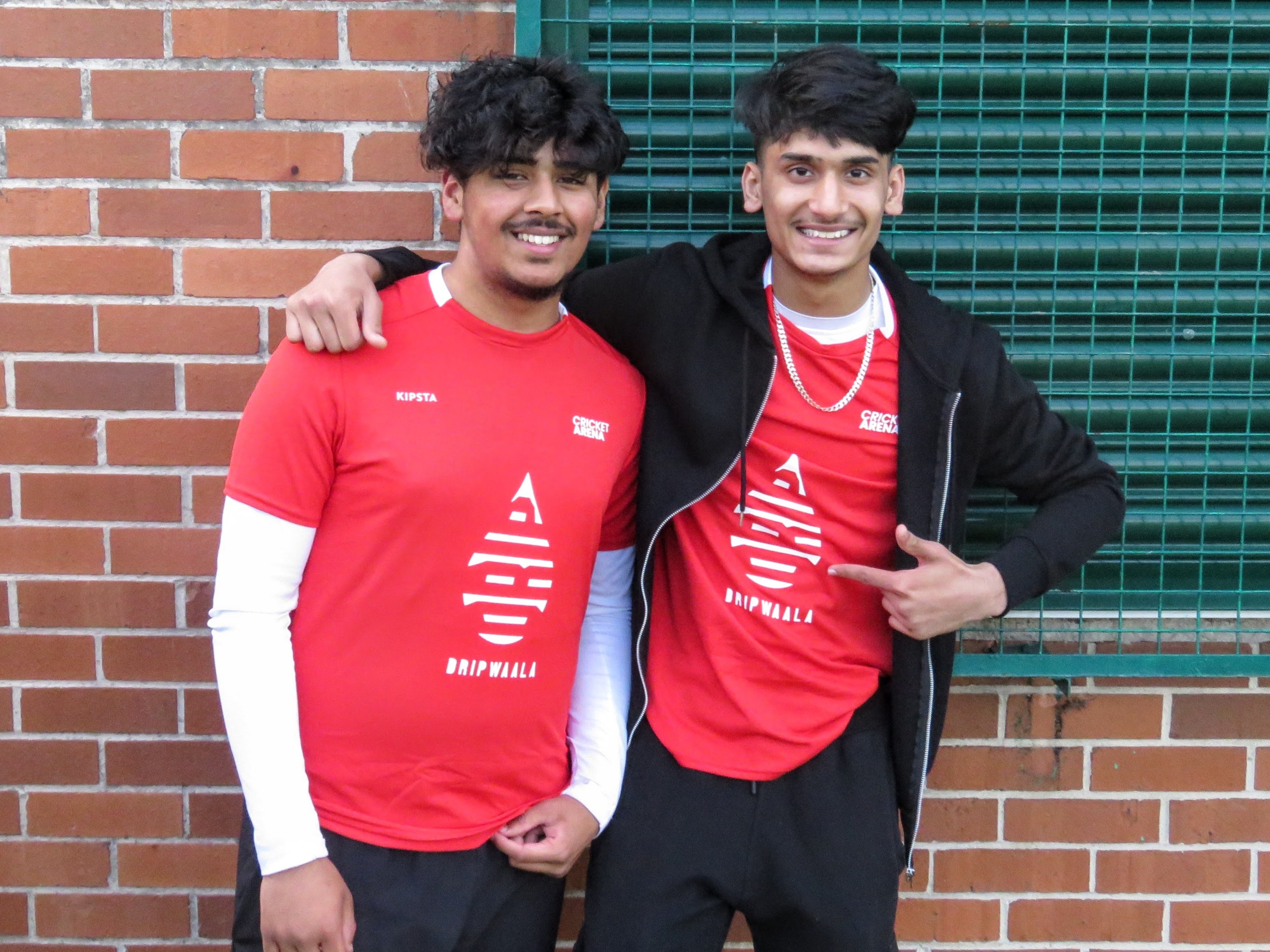
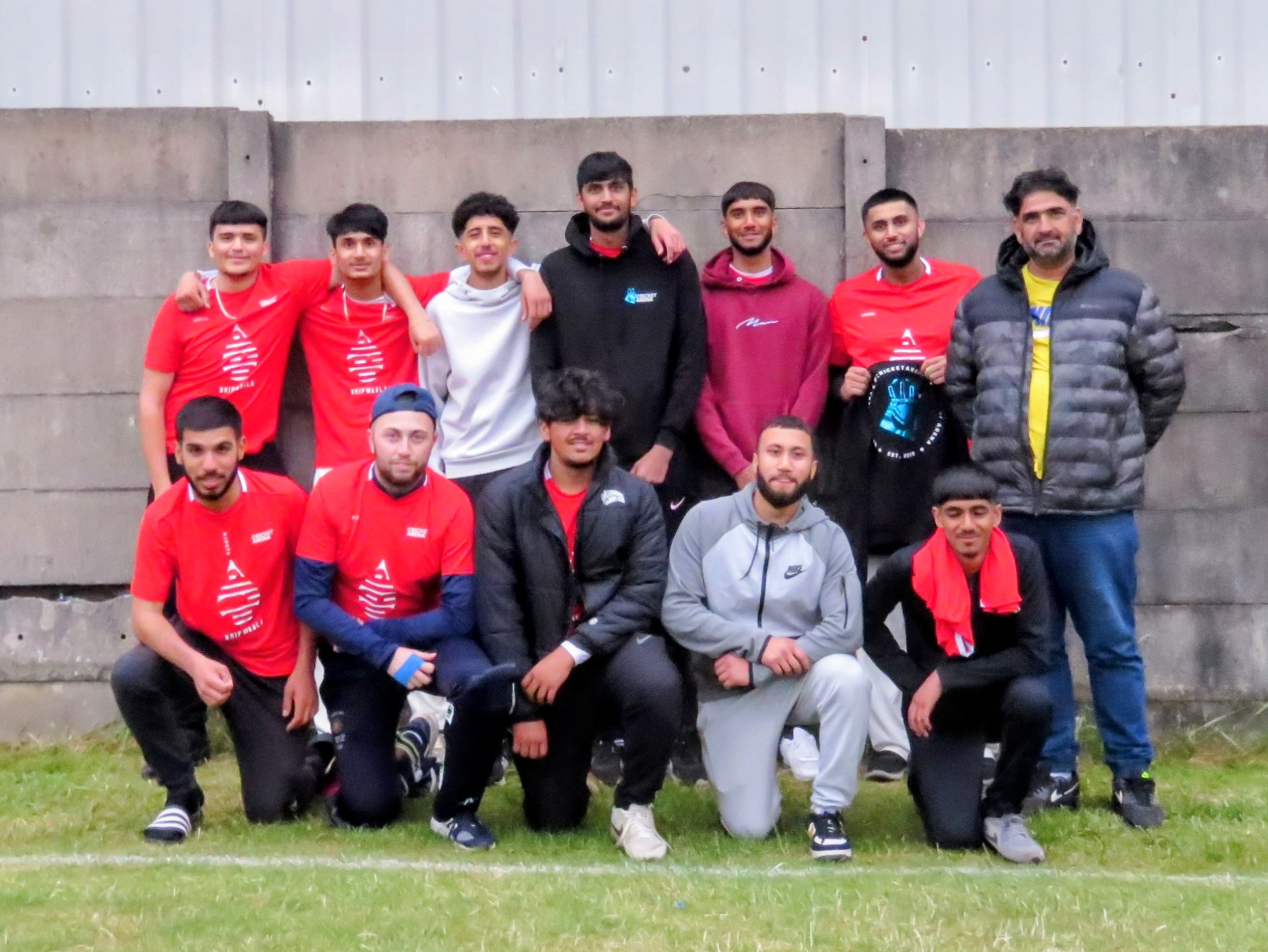
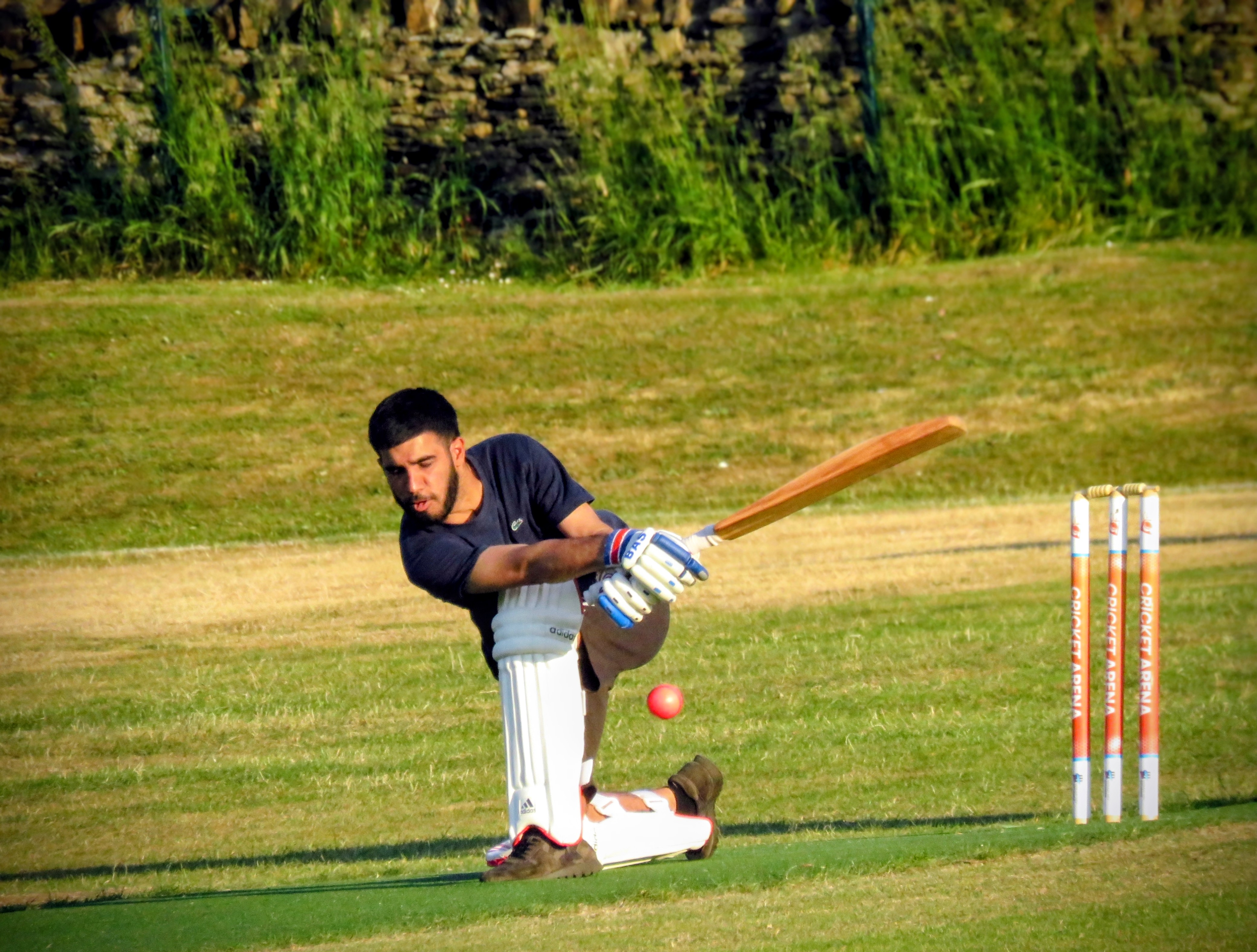
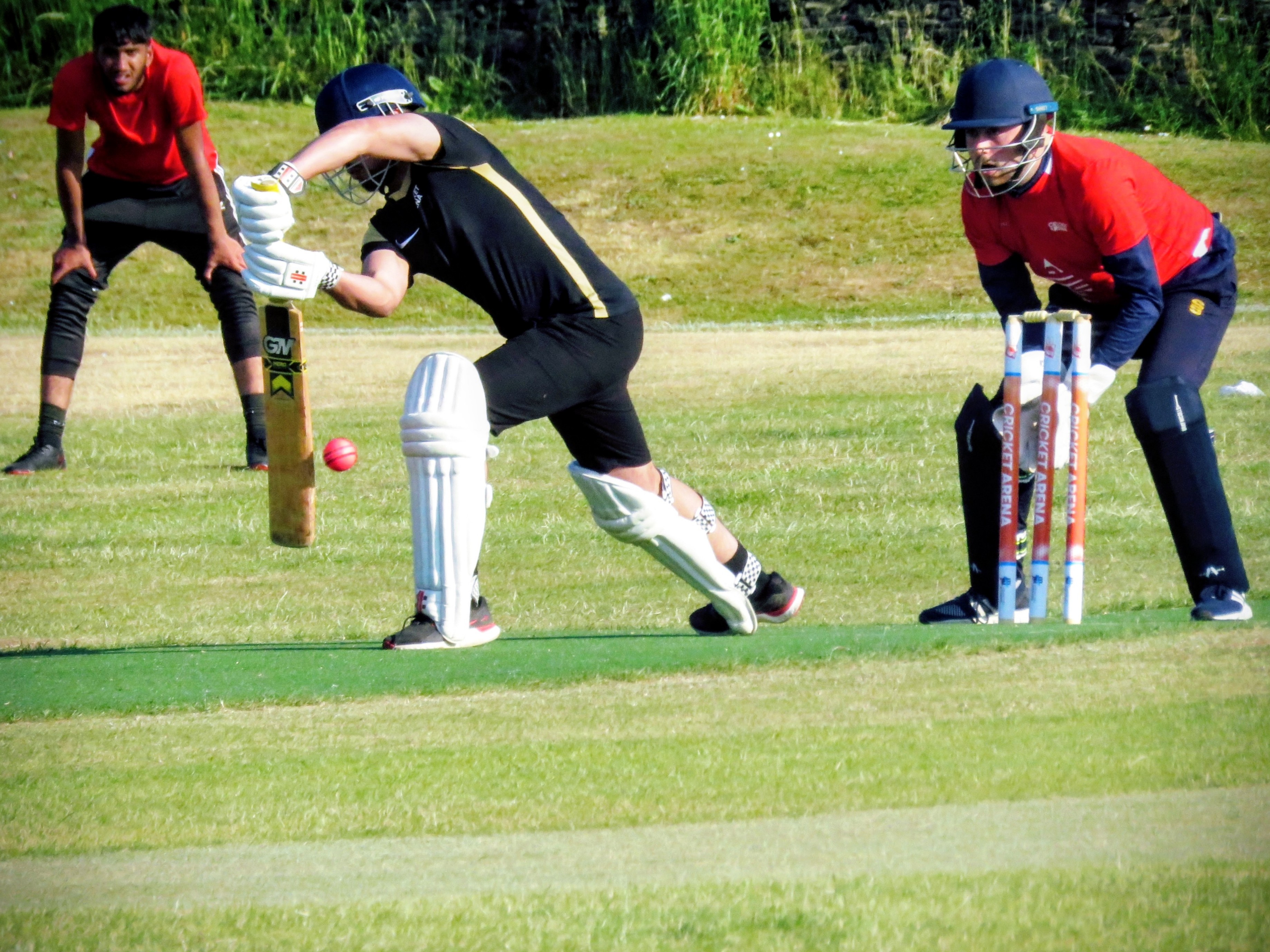
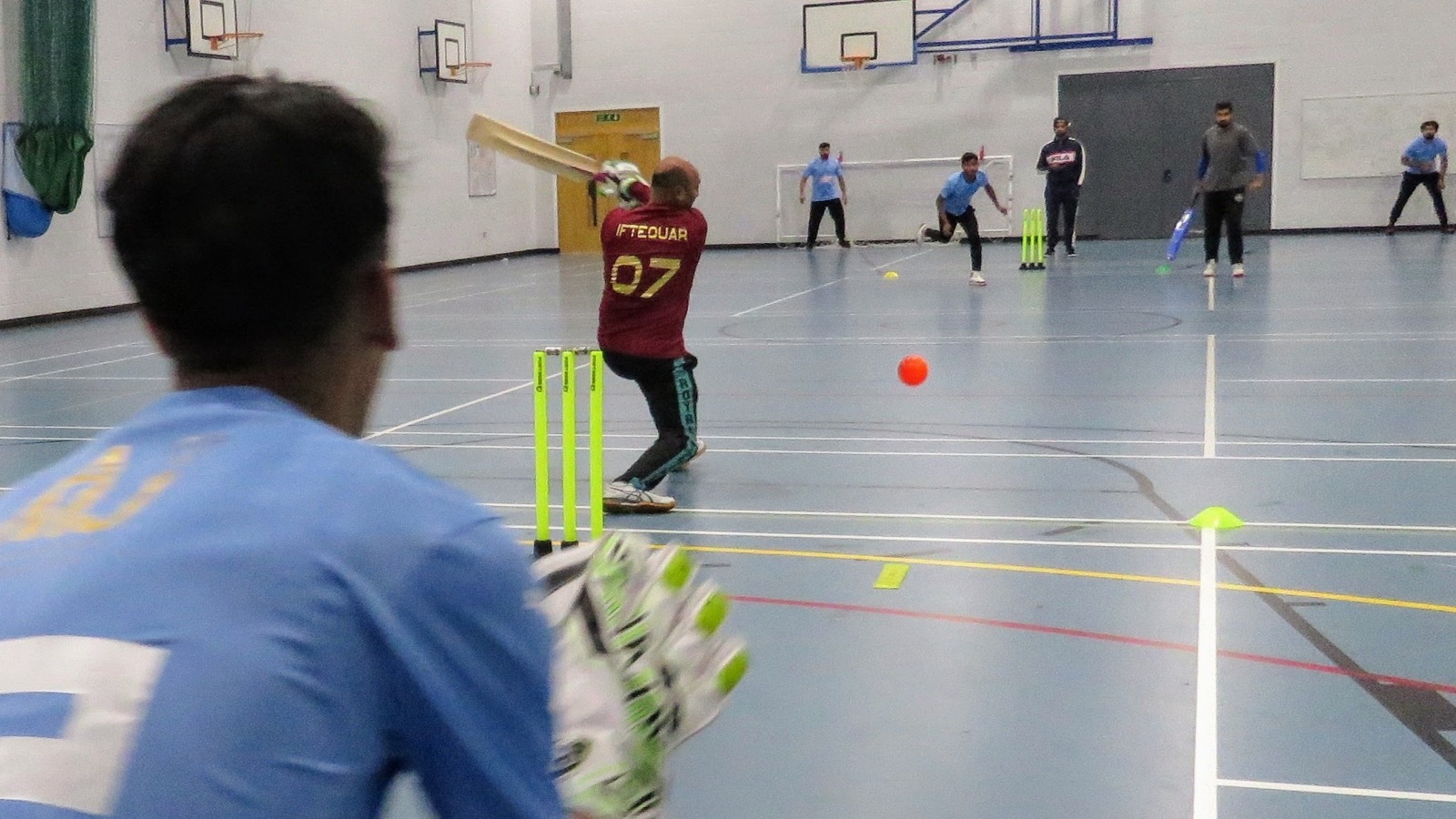
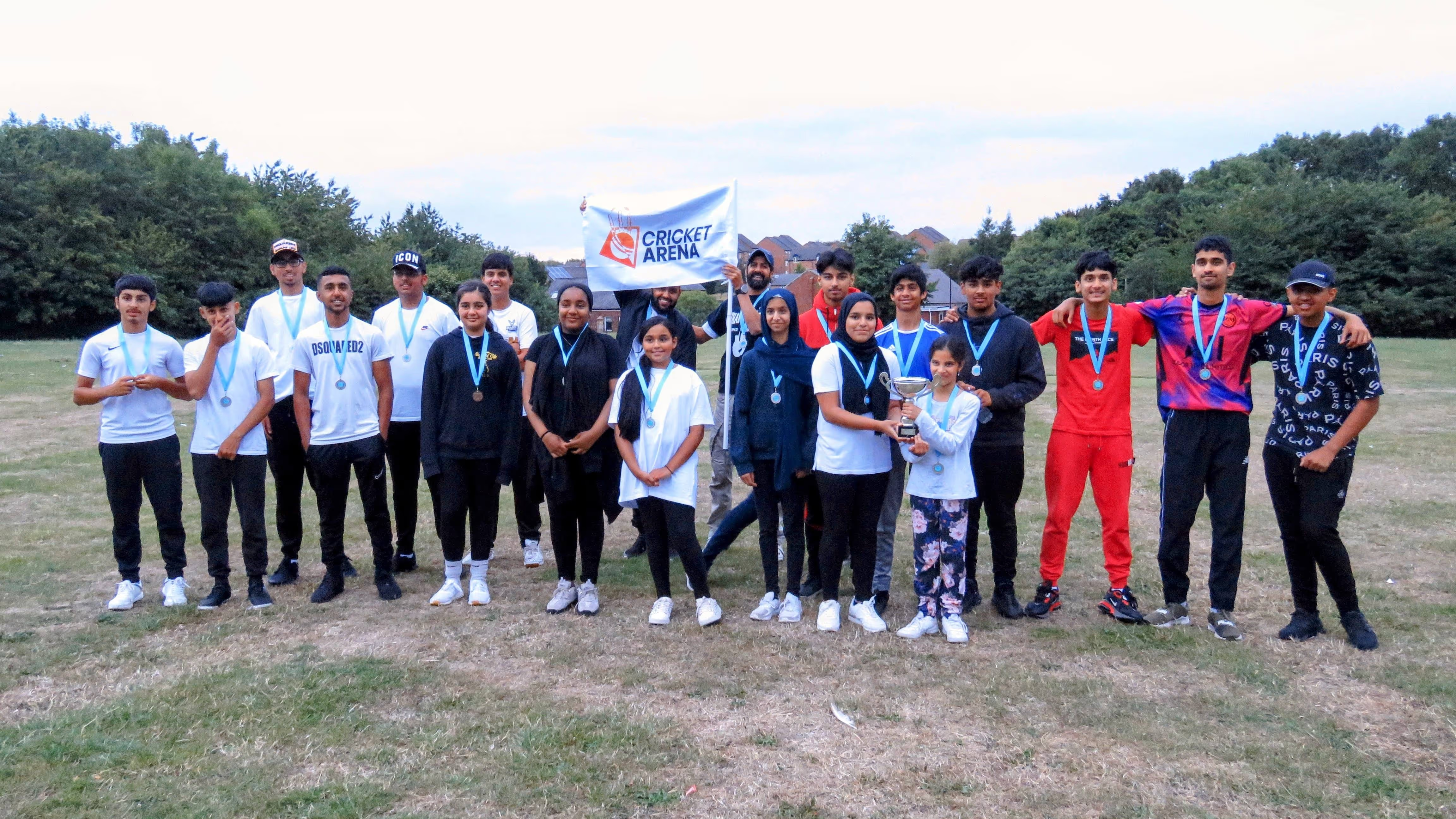
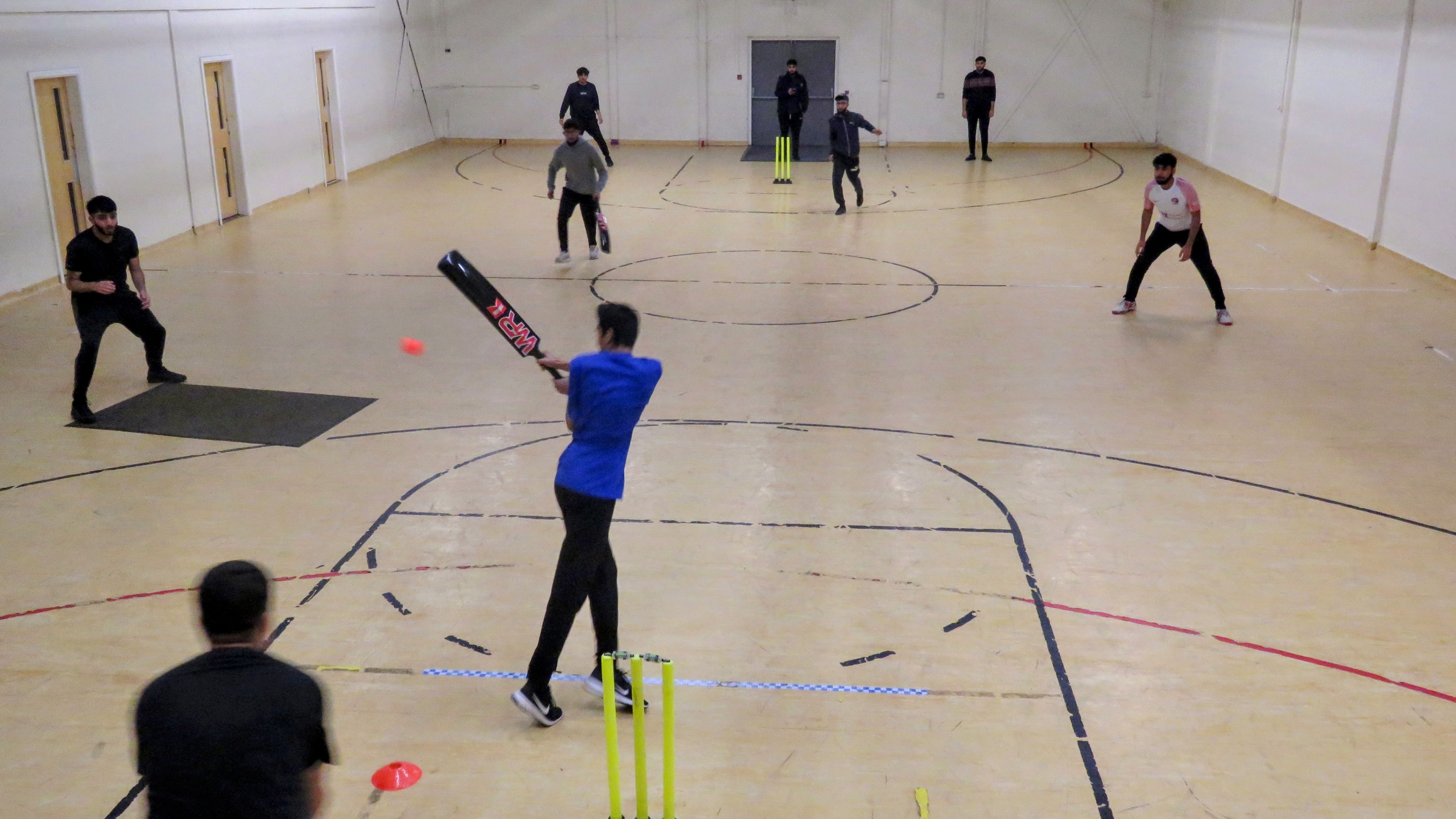
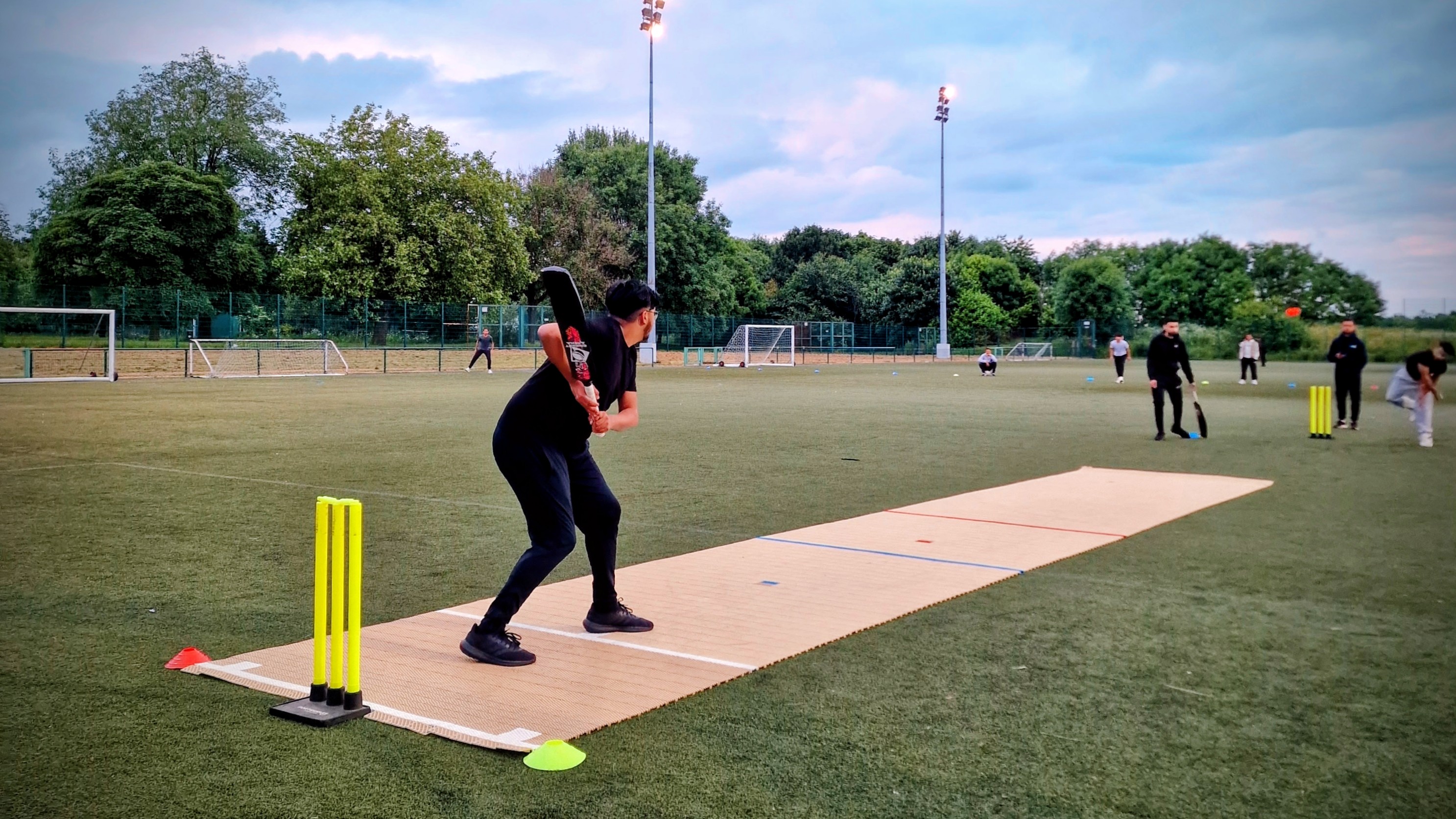
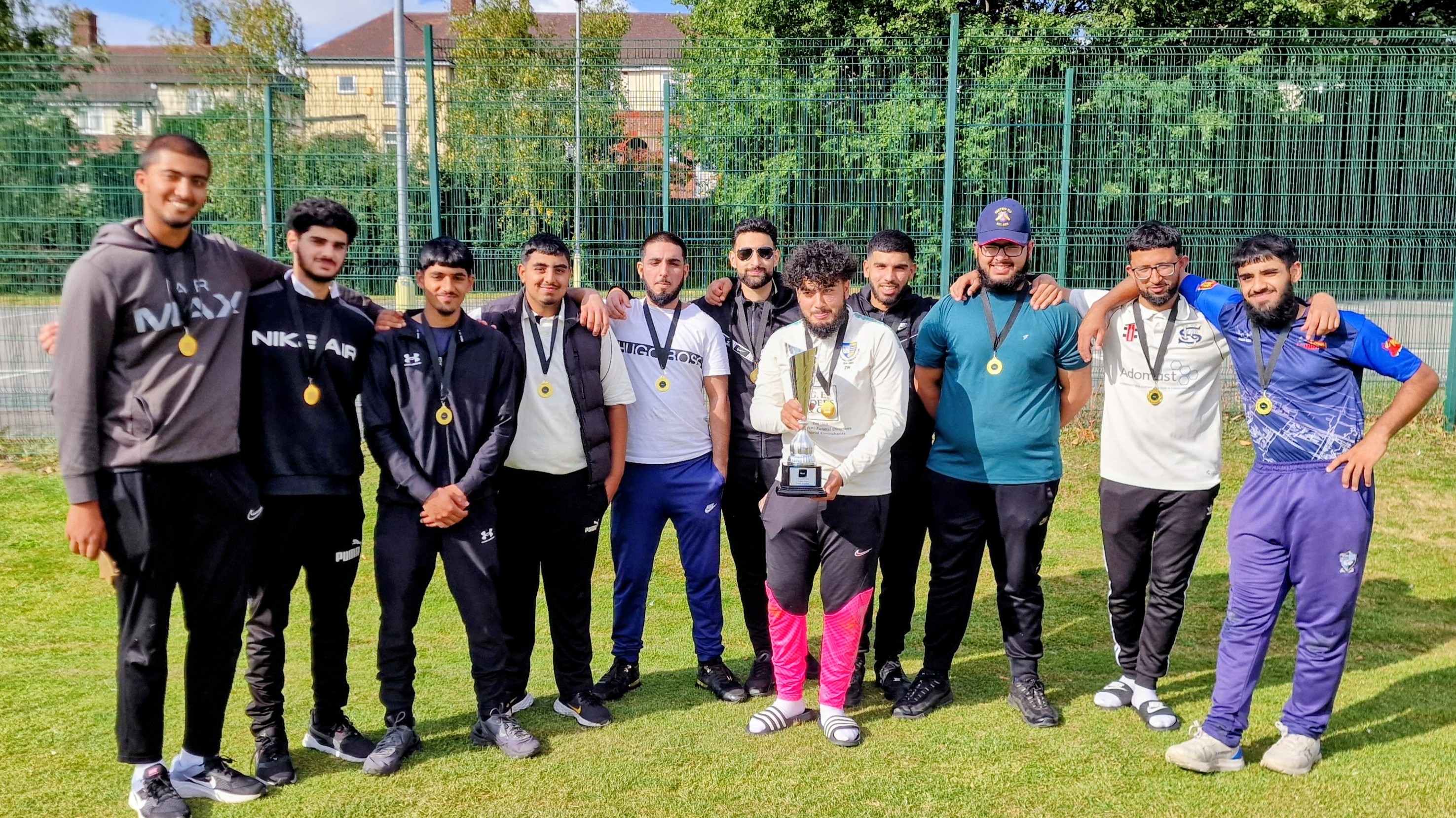
Why we ran it. This was demand-led: a low-pressure way for our indoor league regulars to test themselves with a hard pink ball on Shiregreen’s non-turf pitch — many playing hardball for the first time — and for outdoor regulars, playing for pride, to get one up over their mates. The Hundred format kept tempo high; retire at 50 meant more batters got time in the middle; we set start times to finish before dark. Coloured kits made it clear who was who — and made the evenings feel like proper fixtures.
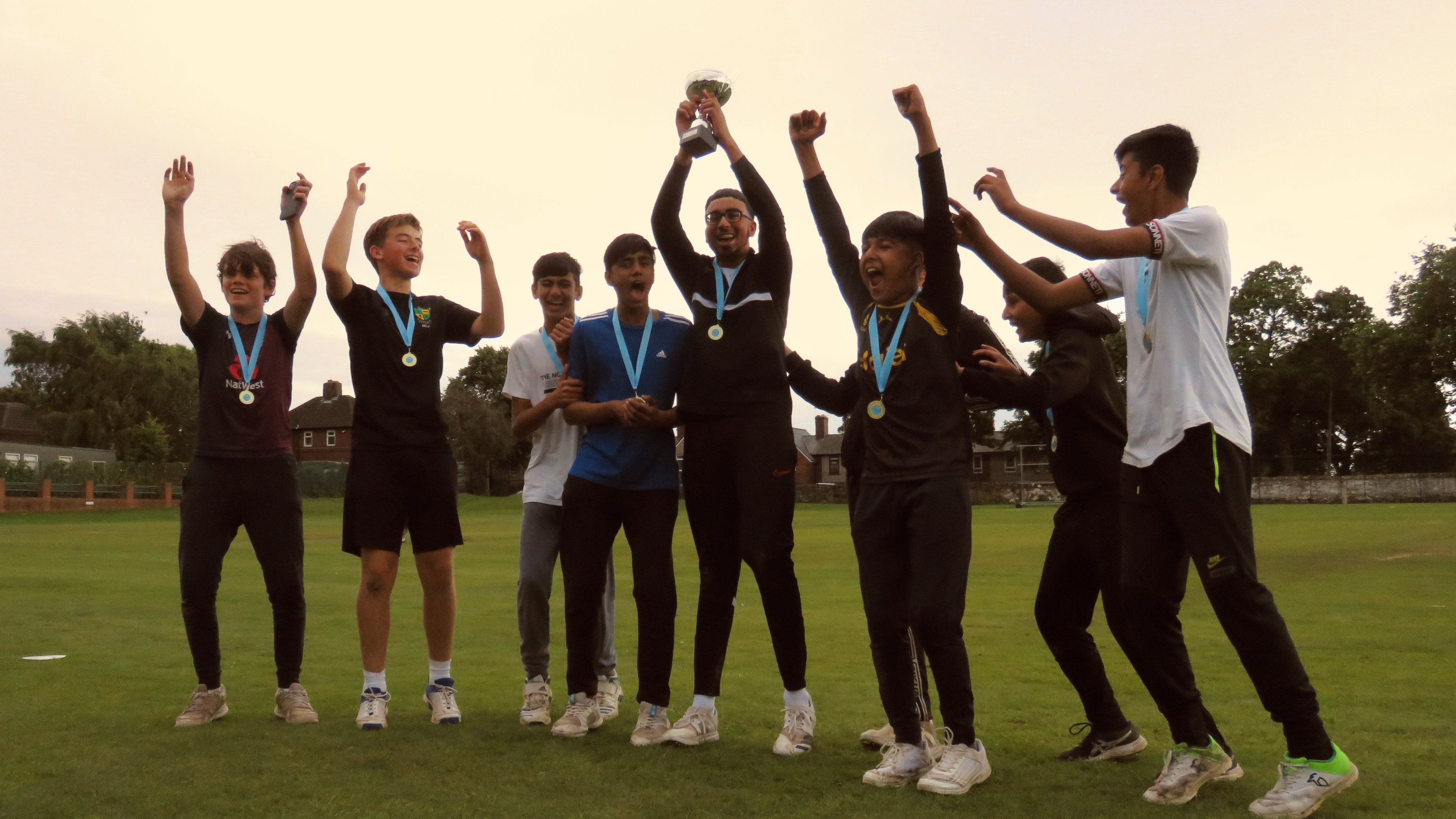
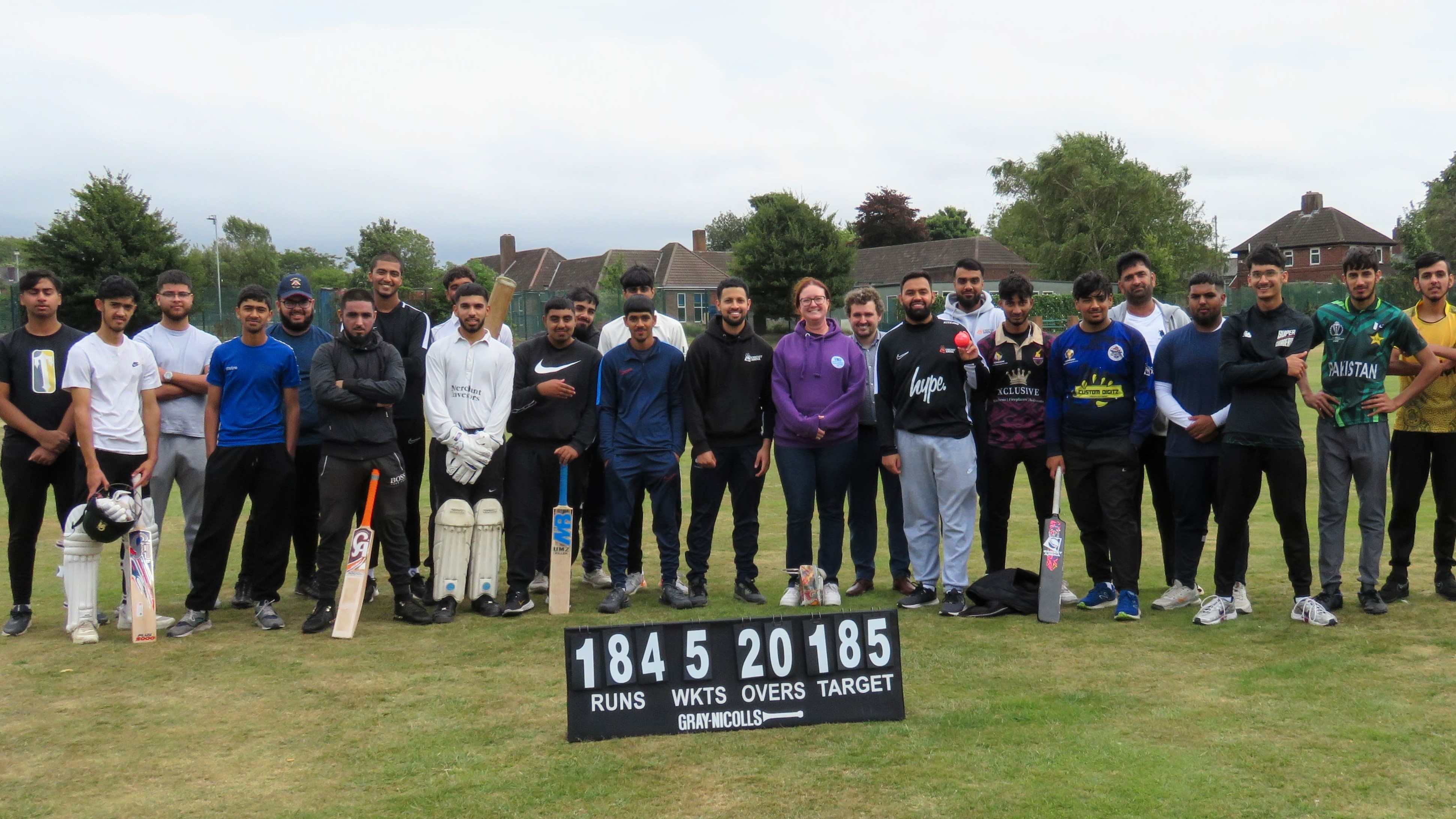
How it played. Game one set the tempo with a big Red total and a Blue chase falling short. Game two tightened up, with Red defending late. Game three was a shoot-out: Blue’s 183/6 (series best) versus a Red chase that went deep to 175/6.
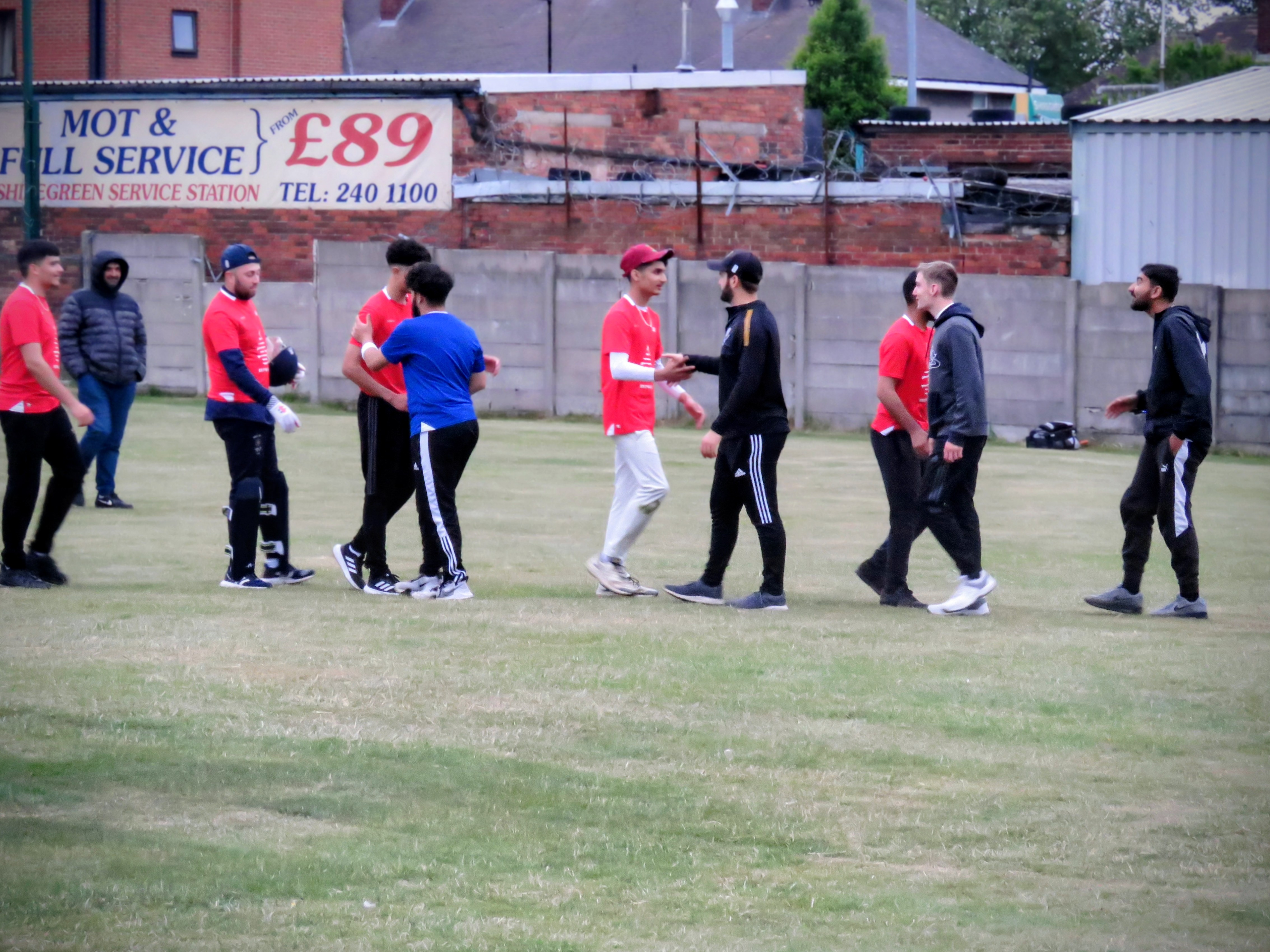
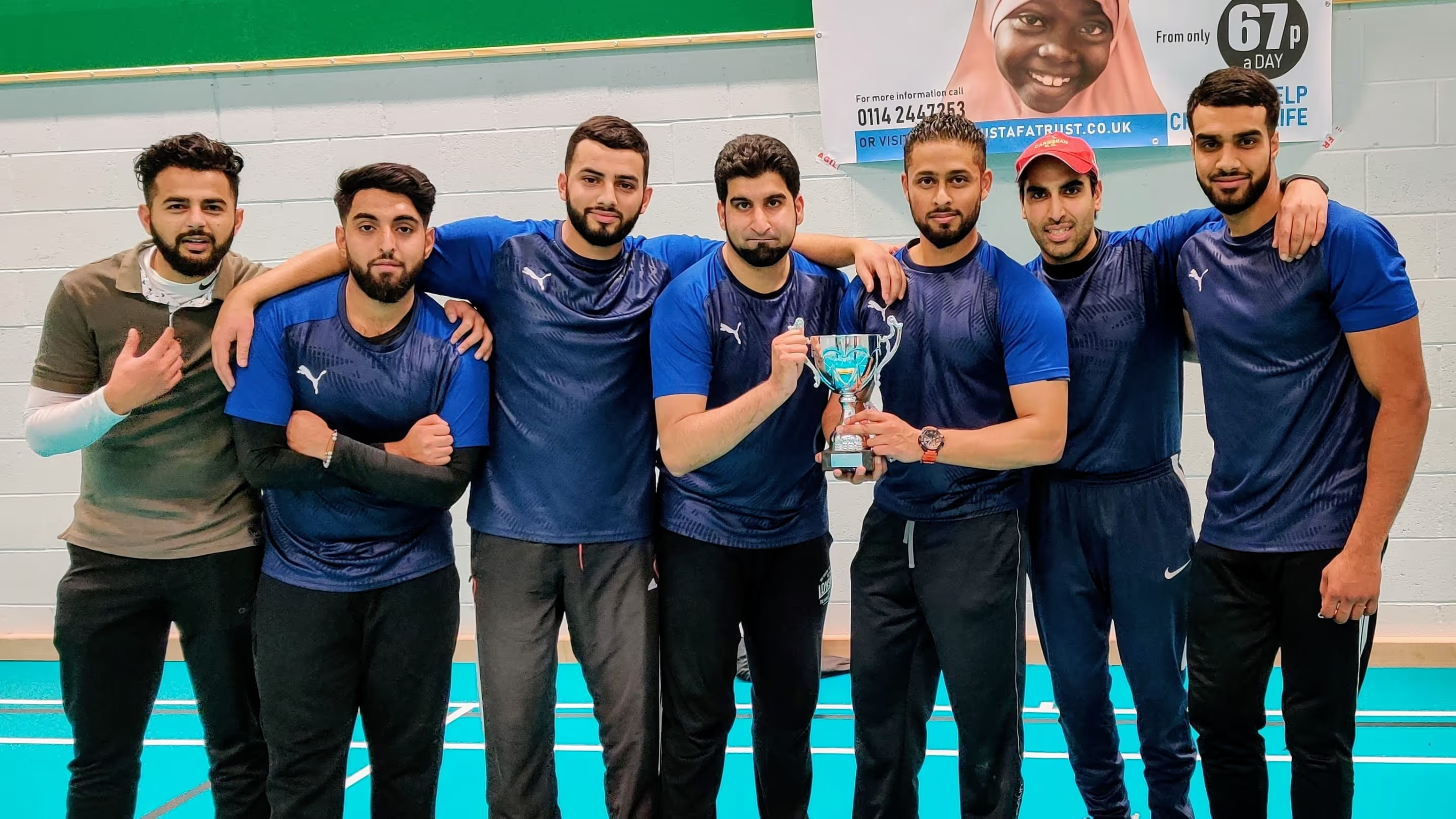
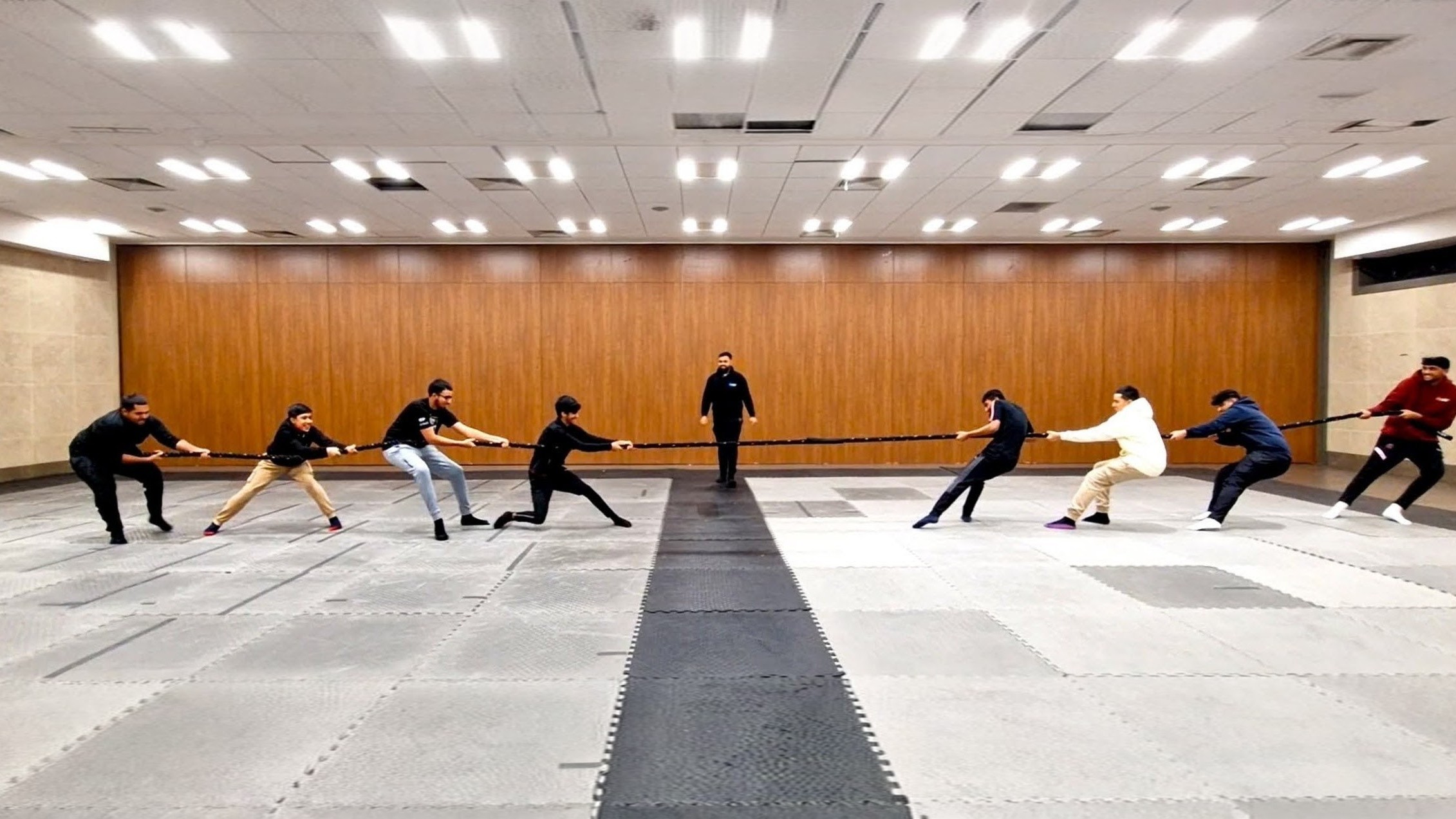
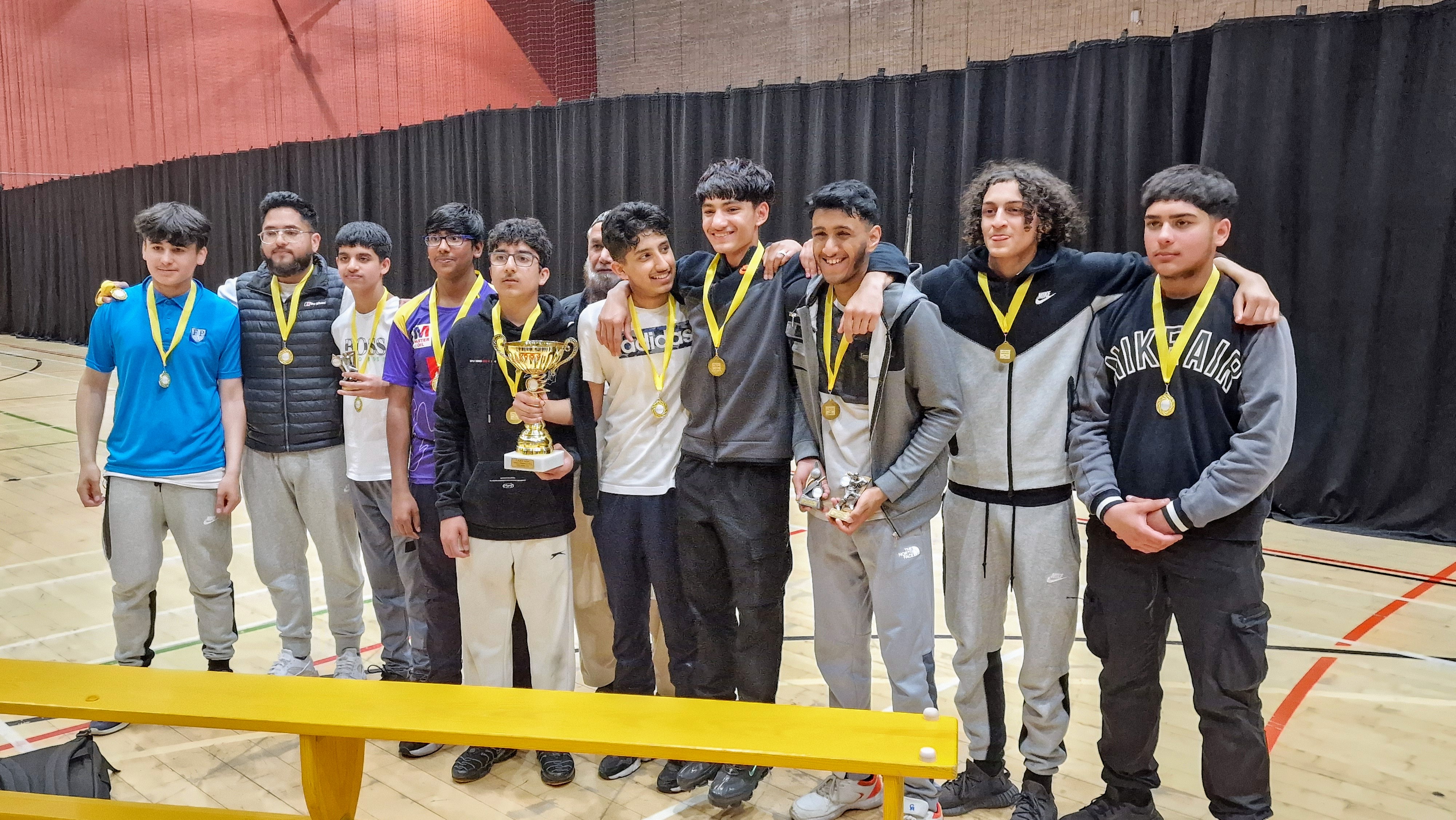
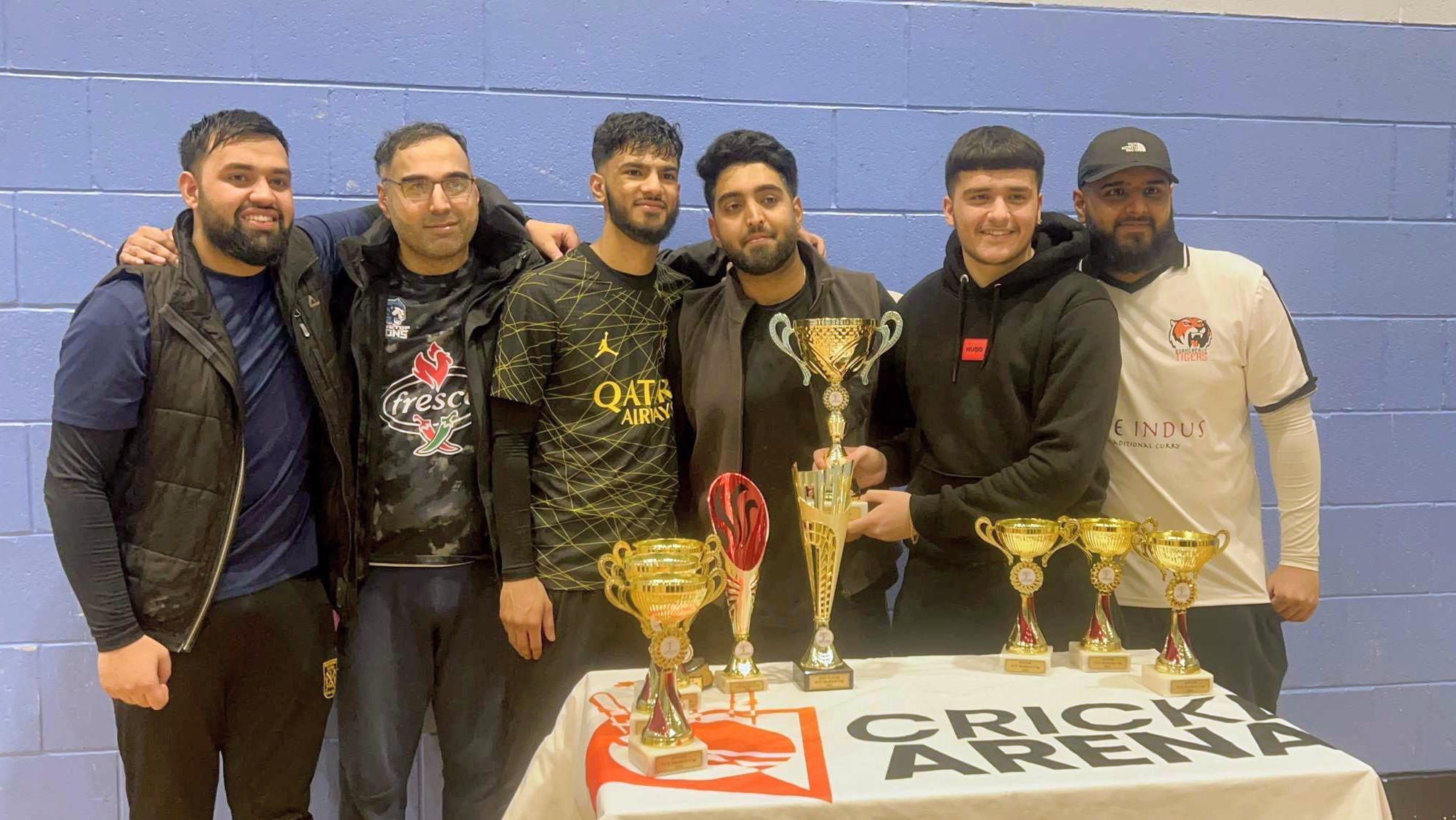
The takeaways. Fast 5-ball sets, clear roles from the captains, and confidence up from team support. Inexperienced bowlers learned about new-ball control and death bowling from experienced peers; batters learned to manage the 100 balls with busy running and finding gaps for boundary options. Best of all, new friendships formed across backgrounds—unity through diversity, built the cricket way.



































.avif)
.avif)